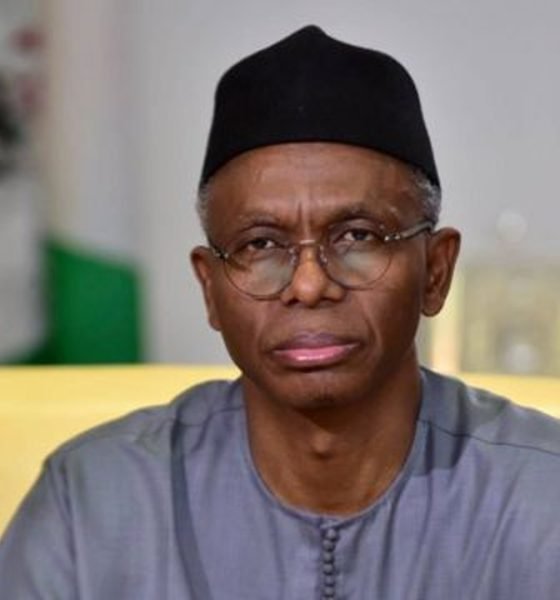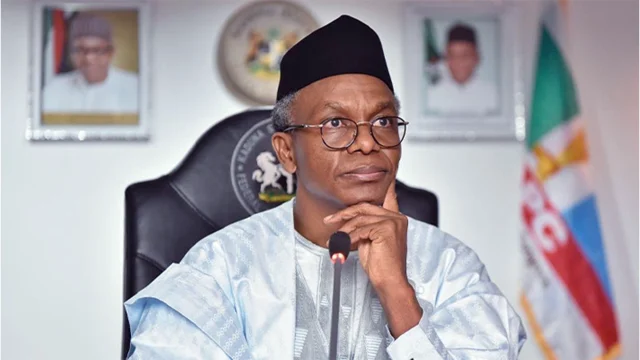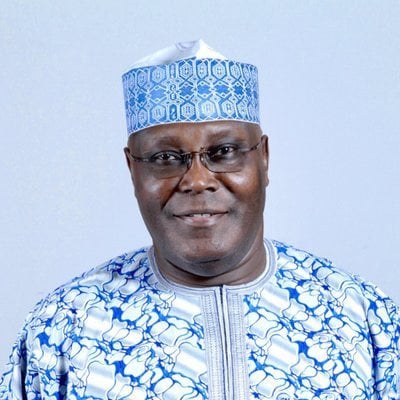



In a significant development in one of Nigeria’s most high-profile corruption investigations, former Kaduna State Governor Nasir El-Rufai has been taken into the custody of the Independent Corrupt Practices and Other Related Offences Commission (ICPC). This happened after days of questioning and detention with the Economic and Financial Crimes Commission (EFCC) in Abuja.
The confirmation of the transfer to ICPC came late Wednesday in a terse public statement by J. Okor Odey, ICPC’s Head of Media and Public Communications.
According to the agency spokesperson, El-Rufai is being held “in connection with investigations.” However, ICPC officials have not yet disclosed the specific allegations under review. Nor have they revealed how long he will remain in custody.
Seven Days of Escalating Scrutiny
El-Rufai’s legal troubles escalated earlier this week when he complied with an invitation by the EFCC. He was subsequently detained as part of a probe into alleged misappropriation of public funds totaling N432 billion. These allegations relate to his tenure as governor from 2015 to 2023.
Sources familiar with the anti-graft agency’s approach indicate that interrogators were intensively questioning the former governor for several days. They detained him beyond the initial 48-hour window permitted under law as they pursue deeper leads in the sprawling investigation.
Multi-Agency Pressure Continues
Emerging reports also show that while EFCC wrapped up its interrogation phase, the Department of State Services (DSS) has separately filed charges against El-Rufai for alleged unlawful interception of a high-level government official’s communications. This is a case filed before the Federal High Court in Abuja. It marks a distinct national security angle to the controversy.
What’s Next?
With the former governor now in ICPC custody, legal analysts expect a new phase of hearings and possible remand applications. They also anticipate coordinated examinations of fiscal records and contracts spanning El-Rufai’s eight-year administration.
Meanwhile, the evolving scenario has triggered reactions from civil society groups. These groups are urging full transparency from anti-graft agencies and protections for due process.
For continuous updates on this developing story, follow AfriGlobalNews coverage.