


Iranian naval forces claim responsibility for striking hostile targets in strategic energy corridor, sending global crude prices soaring amid heightened military fears.
Maritime security tensions across the Middle East reached alarming new heights today following fresh military engagements near the strategic Strait of Hormuz.
Iranian naval forces confirmed that multiple commercial oil tankers suffered extensive damage while navigating through volatile maritime routes in the region.
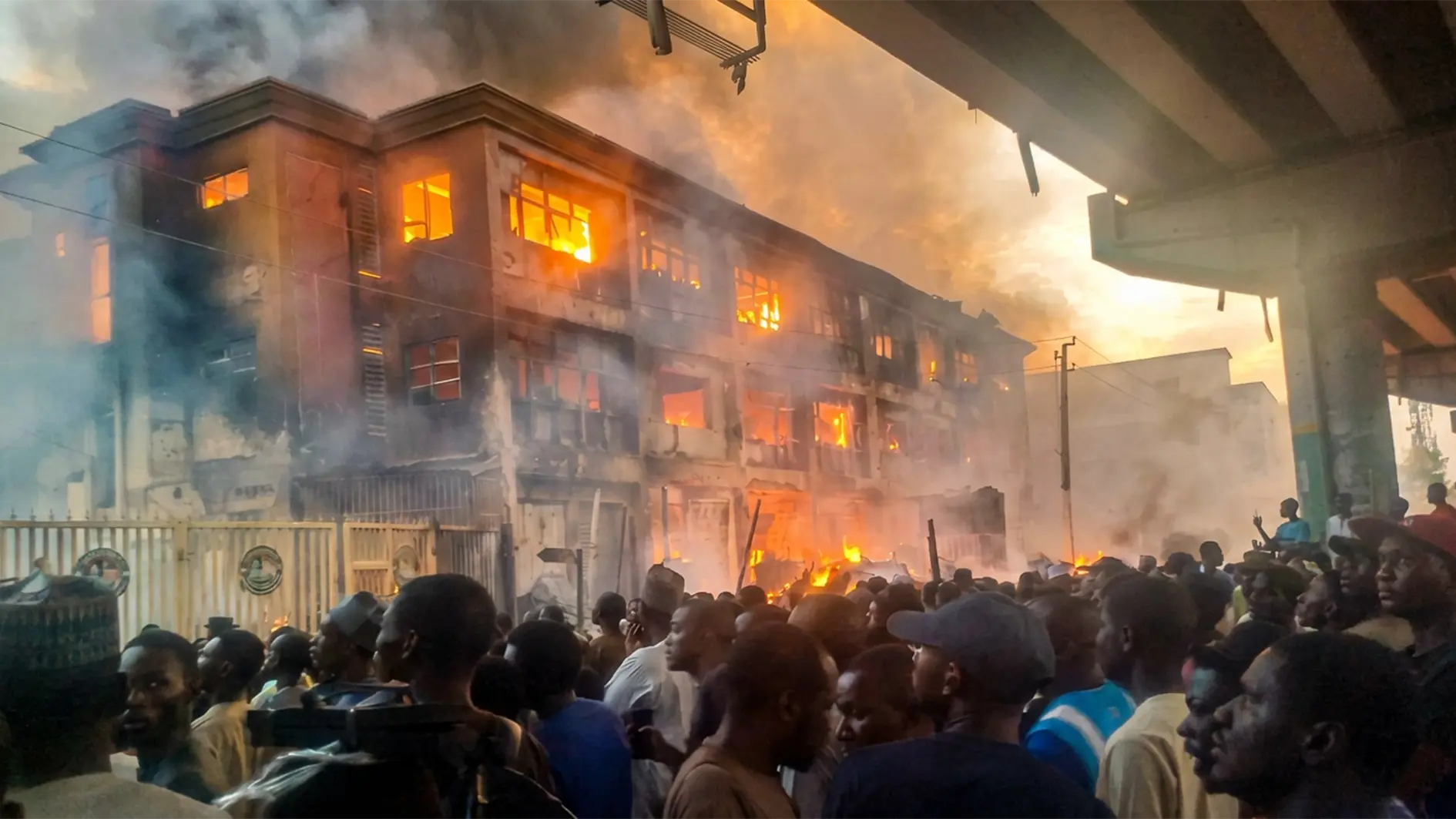
Official military statements indicate that several vessels caught fire after striking deployed naval mines or sustaining direct hits from airborne projectiles.
Additionally, military command authorities announced the interception and destruction of an unmanned enemy reconnaissance drone operating east of the narrow waterway.
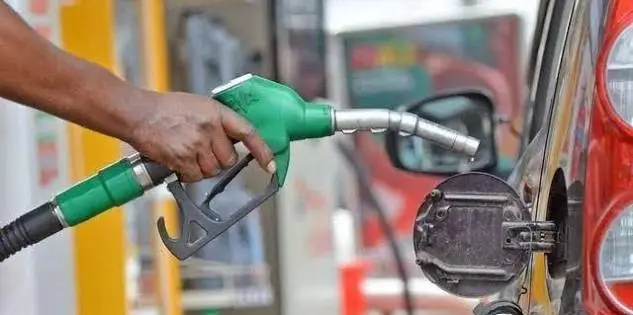
The intense escalation along the maritime corridor triggered instant volatility across global energy markets, sending international benchmark crude prices soaring.
Energy market analysts warn that persistent physical threats to commercial shipping lanes jeopardize global fuel shipments and supply chain stability.
The Islamic Revolutionary Guard Corps naval unit issued formal warnings declaring the vital shipping lane increasingly hazardous for international commercial transit.
Military officials accused affected commercial vessels of navigating through restricted operational zones while operating without active tracking transponders.
Conversely, international maritime safety organizations confirmed receiving urgent distress signals from commercial crew members operating along southern transit routes.
Emergency maritime response units and international coalition forces immediately deployed surveillance aircraft to monitor drifting, burning vessels and coordinate assistance.
The dangerous maritime developments unfold against a backdrop of delicate regional diplomacy aimed at averting broader regional military confrontation.
International mediators from neighboring nations continue holding high-stakes diplomatic discussions with regional leaders to establish temporary maritime ceasefire frameworks.
Despite ongoing diplomatic talks, strategic military posture across coastal regions remains at peak operational readiness following repeated daily attacks.
Defense analysts observe that asymmetric naval warfare, combined with uncrewed aerial systems, poses severe challenges to international shipping security.
Furthermore, international shipping companies are rerouting high-value cargo vessels around alternative, significantly longer maritime routes to mitigate operational risks.
The rerouting of major commercial fleets has exponentially increased maritime insurance premiums and global freight charges for international trade partners.
Civil society groups and global trade unions continue expressing deep concerns regarding the physical safety of international merchant sailors trapped in conflict zones.
Naval authorities from Western nations reiterated commitments to safeguarding freedom of navigation across international waters, deploying additional escort destroyers.
However, security experts warn that localized naval minefields require extensive specialized mine-clearing operations before normal commercial navigation can safely resume.
As military operations and diplomatic negotiations unfold simultaneously, global observers remain hyper-focused on maintaining stability across critical international energy trade corridors.