Taiwo is a Certified SEO Specialist and digital marketing expert with four years of experience in SEO strategy, keyword research, content optimization, and website analytics. Through data-driven SEO techniques, he has successfully increased organic traffic, improved search rankings, and enhanced brand visibility in many reputable news agencies.
Nigeria is targeting annual economic growth of 7 per cent as the Federal Government intensifies efforts to reform the tax system, curb inflation and improve the business environment.
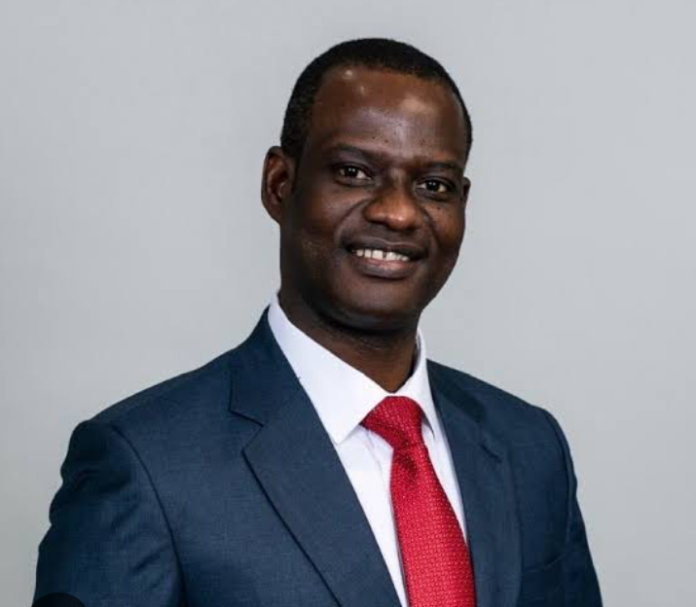
The Minister of Finance and Coordinating Minister of the Economy, Taiwo Oyedele, disclosed this at the 2026 International Monetary Fund (IMF) and World Bank Meetings in Bangkok, Thailand.
Oyedele defended the government’s “Nigeria Rising” narrative, describing it as an effort to communicate ongoing economic reforms and challenge international perceptions that, in the government’s view, do not fully reflect Nigeria’s economic progress.
Speaking at the closing press briefing, the minister said he had observed growing interest in Nigeria among international stakeholders, which he attributed to the government’s reform programme.
He identified the overhaul of the country’s tax system as a major component of the reforms, noting that the government had rewritten Nigeria’s tax framework within two years.
According to him, the combined impact of tax reforms and broader economic measures could place the country on a path towards sustainable growth and shared prosperity.
“If you put all of this together, it means one thing: that we are on the path to a celebrated growth that is sustainable, and ultimately to deliver shared prosperity to our people,” he said.
Oyedele also urged Nigerians to identify and take advantage of emerging economic opportunities.
“Everywhere you look, there’s an opportunity. But you need to look for the opportunity,” he said.
FG Targets Growth Above IMF Projections
Oyedele said the Federal Government was working towards achieving annual economic growth of 7 per cent, above the IMF’s projections for Nigeria over the next two years.
“We expect growth that is much higher than what the IMF is projecting for Nigeria. Our target is to get to 7 per cent growth rates,” he said.
He attributed the ambition to planned interventions aimed at addressing structural constraints, reducing inflation and lowering the cost of doing business.
However, achieving the target would require a significant acceleration in economic activity, supported by stronger investment, higher productivity and business expansion.
Oyedele Links Lower Inflation To Cheaper Loans
The finance minister identified food, energy and logistics costs as major sources of inflationary pressure.
He said addressing these factors would help reduce inflation and borrowing costs, creating better conditions for businesses to expand.
According to Oyedele, bringing inflation down to low single digits could help create conditions for single-digit interest rates, improving access to credit and encouraging investment.
He highlighted the pressure high lending rates place on businesses, arguing that lower borrowing costs could unlock additional growth opportunities.
“Imagine that prime lending is close to 30 per cent. Your top business is growing at 30 per cent and you are still growing at 4.5 per cent. Just imagine what is possible when they borrow at a single digit,” he said.
Oyedele also pointed to improved performance in the foreign exchange market, saying it had helped strengthen the inflation outlook.
However, he acknowledged that pressures from food, energy and logistics costs remained significant challenges.
The government’s 7 per cent growth ambition will depend on the effectiveness of its reforms in easing these pressures, encouraging investment and supporting stronger economic activity across key sectors.