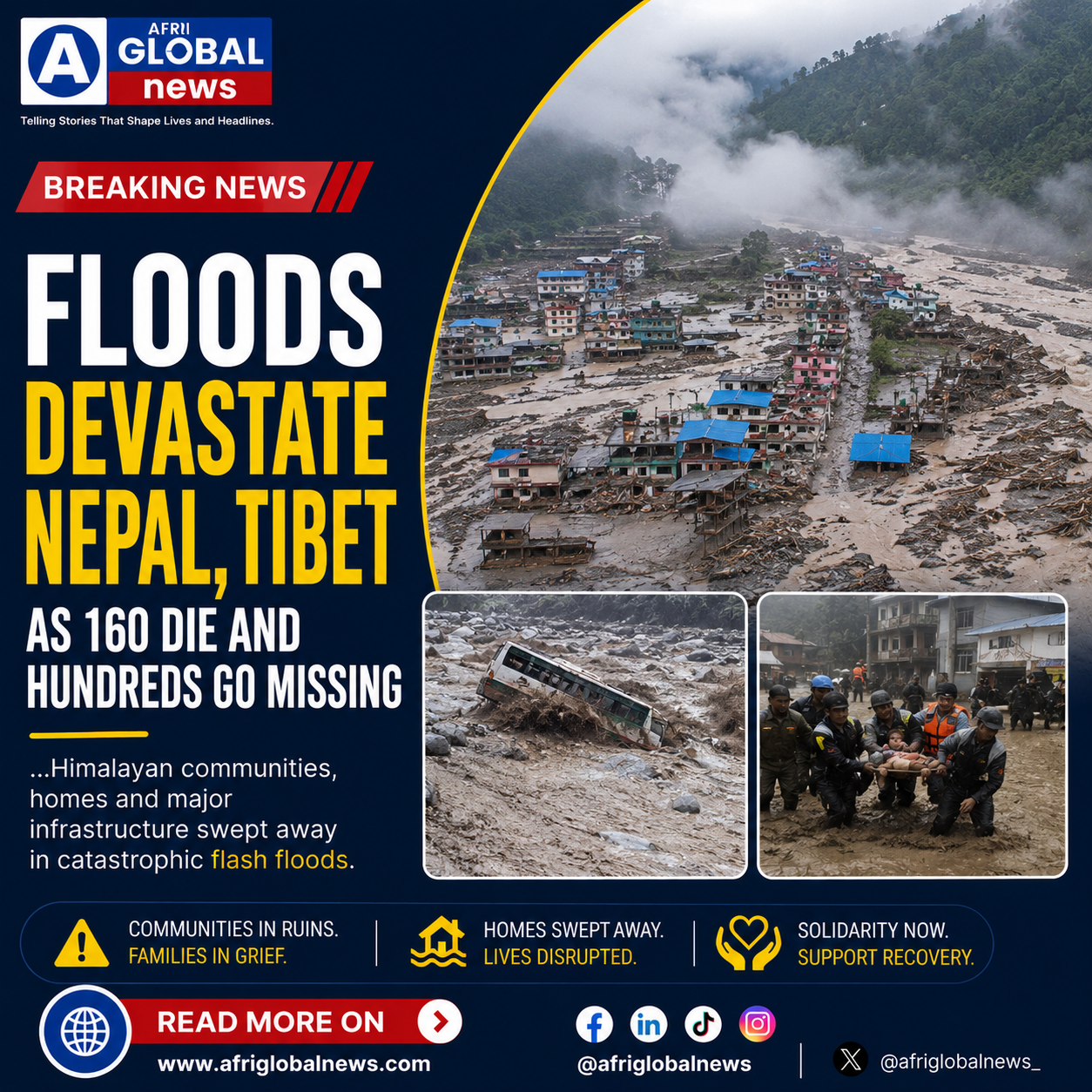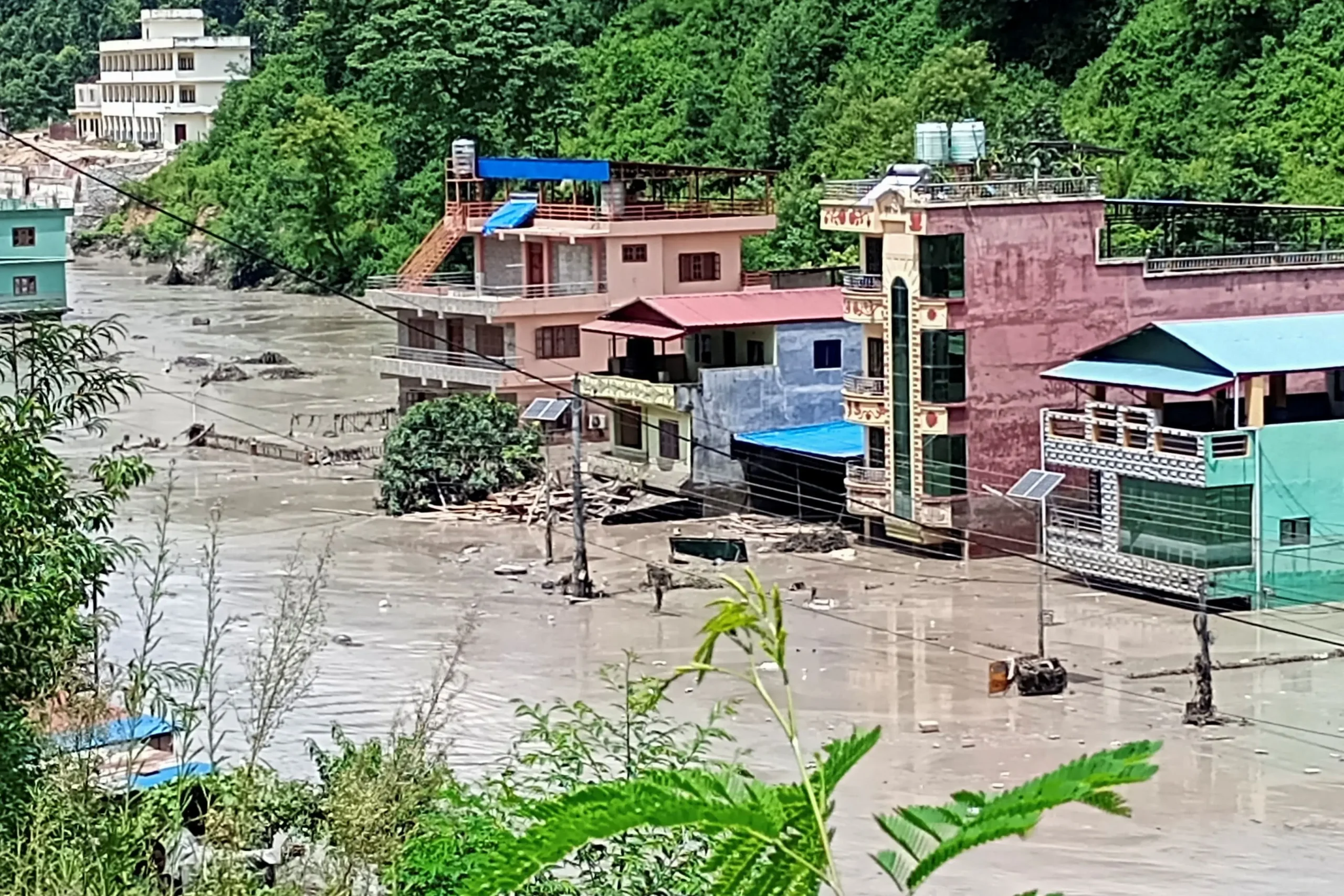



Nepal is facing one of its worst humanitarian disasters in years, with more than 4,700 people missing after catastrophic floods and landslides swept through communities along the Nepal-China border.
The combined death toll in Nepal and China’s Tibet region has reached at least 919, while 4,793 people remain unaccounted for, according to the latest figures released on Monday.
Nepal has recorded 903 deaths and 4,247 missing people. Another 16 people have died in Tibet, where 546 remain missing.
The disaster has left families searching desperately for relatives while rescue teams face deep mud, damaged roads and unstable terrain in their efforts to reach isolated communities.
Hundreds of hydropower workers remain unaccounted for
One of the most urgent rescue efforts is now focused on Nepal’s hydropower projects.
Authorities say 933 people associated with hydropower facilities are among those missing. Many are believed to be inside tunnels after floodwaters and debris swept through the projects.
The tunnels could provide some protection from the initial flood, raising cautious hope that some workers may still be alive.
Rescue teams from Nepal, India and China are working to reach the affected sites. They are using heavy equipment and specialist technology to search through debris and determine whether people remain trapped underground. Rescue teams race to reach trapped hydropower workers
Families are still waiting for answers
For thousands of families, the disaster has moved from an immediate struggle for survival to an agonising wait for information.
The missing include local residents, security personnel, government workers and foreign nationals.
Nepal’s disaster authorities say more than 10,000 people have already been rescued, including thousands evacuated by air. More than 20,000 security personnel have been deployed for search, rescue and relief operations.
But rescuers are working against time.
Floodwaters carried large quantities of mud, rock and debris through valleys, destroying roads and bridges and making access to some areas extremely difficult.
Homes and infrastructure swept away
The human toll is only part of the devastation.
The floods have damaged or destroyed homes, roads, bridges and hydropower infrastructure across several districts.
Communities along the Bhote Koshi and Trishuli river corridors have been particularly badly affected.
For families who survived, the next challenge will be finding shelter and rebuilding their lives.
The loss of roads and bridges also means that delivering food, clean water, medicine and other relief supplies remains difficult in some locations.
A disaster that keeps creating new risks
The rescue operation is also taking place against the threat of further flooding and landslides.
The initial disaster began after a glacier collapse triggered an enormous flow of ice, rock, mud and water through the Himalayan valleys.
The force of the debris destroyed infrastructure and changed parts of the landscape.
Newly formed glacial lakes and unstable slopes are now creating additional concerns for communities and rescuers.
That means emergency teams cannot simply move into every affected area.
They must balance the urgent need to find survivors with the danger of sending personnel into locations where another landslide or flood could occur.
The international dimension
The scale of the disaster has drawn assistance from neighbouring countries.
China has deployed thousands of rescue personnel and equipment, while India has sent specialist teams to assist with search and identification efforts.
The two countries are also helping Nepal deal with the large number of unidentified victims.
The international response is particularly important because Nepal’s own rescue teams are dealing with an enormous geographic area and difficult terrain.
What happens after the rescue?
Even if rescuers reach the missing people and recover those who did not survive, Nepal’s crisis will not end there.
Thousands of families will need shelter and assistance.
Communities will have to rebuild damaged homes and public infrastructure.
Roads and bridges will need to be restored before isolated areas can return to normal.
The disaster will also leave questions about preparedness for future glacier-related floods and landslides.
For now, however, the immediate priority remains the people still missing.
Every hour brings another search operation, another family waiting for news and another attempt to reach workers who may still be trapped underground.
The final scale of Nepal’s disaster will only become clear when the search is complete.