Prince Folorunsho Adegoke is a media professional and journalist with experience in digital, television and print journalism. He covers Nigerian affairs, African development, international relations, housing and economic issues.
At least 160 people have died and hundreds remain missing after devastating floods and landslides swept through communities along the Nepal-Tibet border, destroying homes, roads, bridges and power infrastructure.
The disaster struck parts of the Himalayan region on Wednesday, sending torrents of water, mud, rocks and debris through mountain valleys with little warning.
Nepal has reported at least 157 deaths, while Chinese authorities have confirmed three deaths in Tibet, bringing the reported death toll to at least 160. Hundreds of people remain unaccounted for on both sides of the border.
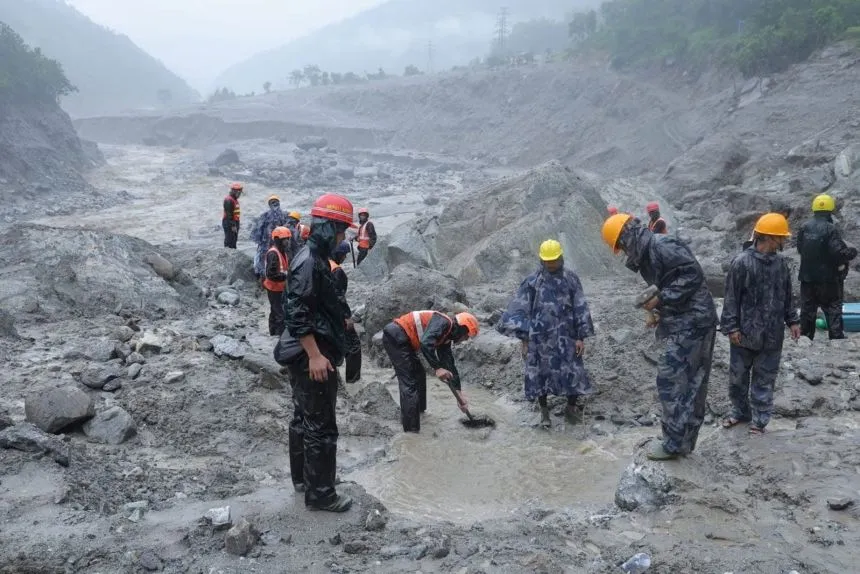
The scale of the disaster has triggered a major search-and-rescue operation involving Nepalese security agencies, helicopters and emergency workers.
Homes and villages swept away
The floods caused widespread destruction across Nepal’s northern Rasuwa district and other areas connected to the Bhote Koshi and Trishuli river systems.
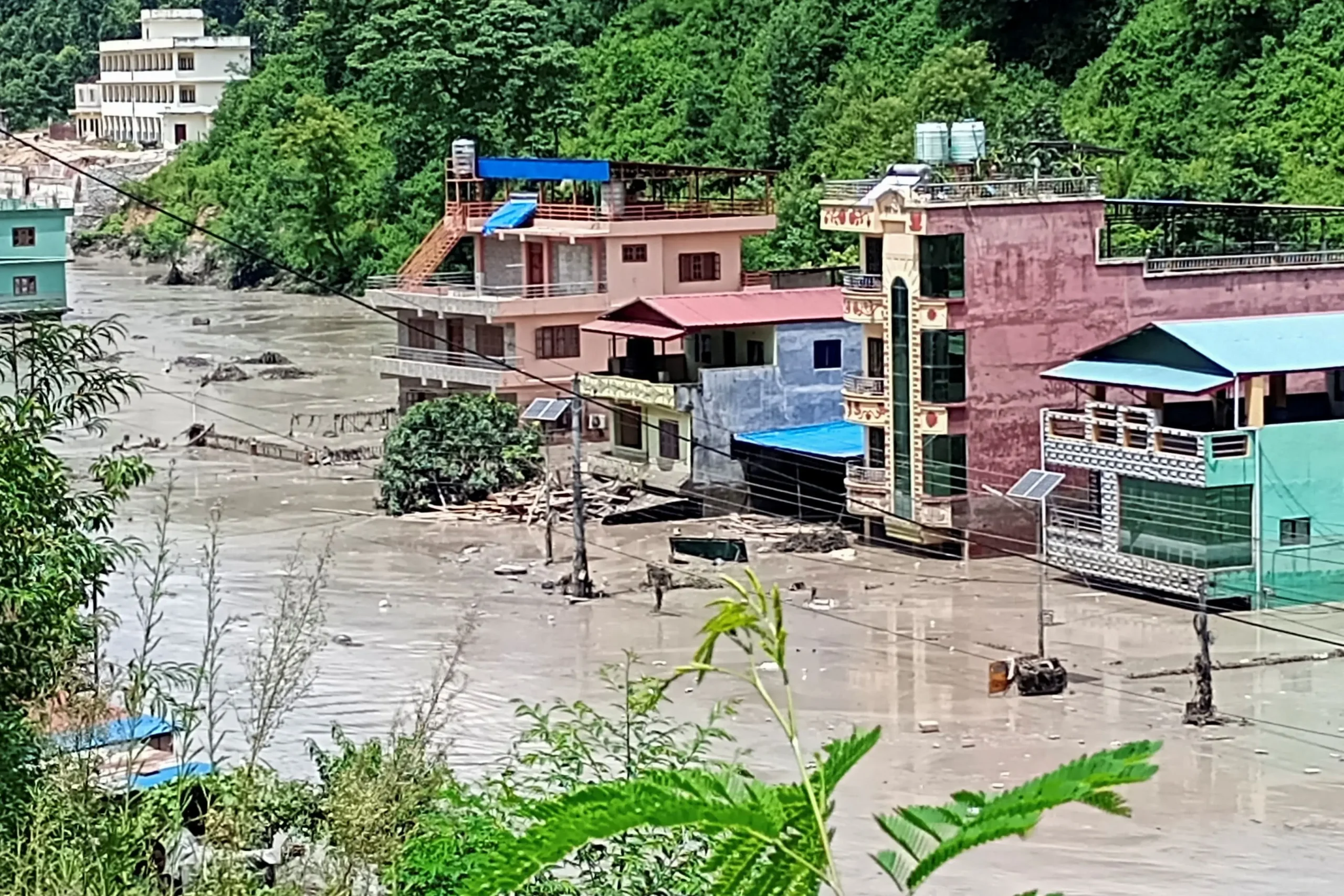
Fast-moving water swept away houses, vehicles and other structures. In some communities, entire sections of settlements were reportedly destroyed.
The flooding also damaged roads and bridges, making it difficult for rescuers to reach affected areas.
The International Federation of Red Cross and Red Crescent Societies said entire villages and market areas had been wiped out in parts of the disaster zone.
Power infrastructure also damaged
The disaster has also disrupted Nepal’s electricity infrastructure.
The Nepal Electricity Authority said the floods damaged generation, transmission and distribution facilities representing about 430 megawatts of production capacity.
As a result, some communities have experienced power disruptions while rescue teams continue to assess the damage.
Tourists and pilgrims among those missing
The disaster has caused particular concern because the affected region serves as an important route for tourists and religious pilgrims travelling towards Tibet.
Nepal’s tourism authorities reported hundreds of tourists missing, including hundreds of foreign nationals.
Those reported unaccounted for include nationals from India, the United States, Australia, the United Kingdom, Canada and several other countries.
Many Indian pilgrims were travelling towards Mount Kailash, one of the most important religious sites in the Himalayan region.
The disaster therefore affected both local communities and international visitors who were travelling through the mountainous border area.
Tibet border crossing hit by mudslide
Across the border in Tibet, a major mudslide struck the Gyirong border port, an important crossing between China and Nepal.
Chinese state media reported three deaths and 265 people missing in the area.
Footage released by Chinese media showed torrents of muddy water and debris sweeping through the border crossing, damaging buildings and cutting off roads.
Chinese President Xi Jinping ordered an extensive search-and-rescue operation and called for stronger monitoring and early-warning systems to reduce the risk of further disasters.
What caused the sudden flooding?
The sudden nature of the disaster initially left authorities uncertain about its cause.
However, scientists and disaster officials now believe that a rock-and-ice avalanche or glacial collapse may have triggered the catastrophic surge.
The event appears to have blocked a river before releasing a huge volume of water and debris downstream.
A preliminary assessment by experts at the International Centre for Integrated Mountain Development indicated that a rock-ice avalanche may have blocked the Lhende River and caused the cascading flood.
The flooding was particularly dangerous because communities were reportedly not experiencing the kind of heavy rainfall normally associated with major flash floods.
Rescue operation faces major challenges
Rescue teams are facing difficult conditions in the mountainous region.
High water levels have restricted helicopter operations in some affected areas. Meanwhile, damaged roads and bridges have made ground access difficult.
The Nepalese Army has deployed helicopters and disaster-response personnel to support the search for survivors and missing people.
Nepal has also requested assistance from neighbouring India and China as rescue operations continue.
Nepal Police said it has deployed multiple teams for rescue operations, relief distribution, body management and the search for missing people. The force also confirmed that 28 police personnel remained unaccounted for in the affected Rasuwa area in one of its operational updates.
Fears of further flooding
Authorities remain concerned about the possibility of additional flooding.
Experts have warned that a blockage upstream could create another dangerous surge if it suddenly gives way.
Officials have therefore urged people living close to rivers and other vulnerable areas to move to safer locations and follow emergency instructions.
The situation remains fluid as rescue teams continue searching for missing people and authorities assess the full extent of the destruction.
Himalayan communities face growing climate risks
The disaster has also renewed concerns about the vulnerability of Himalayan communities to sudden floods, landslides and glacier-related hazards.
Scientists have increasingly warned that rising temperatures can accelerate glacier and ice melt, potentially increasing the risk of dangerous water releases in mountainous regions.
Nepal has experienced several deadly floods and landslides in recent years. However, the latest disaster has created an especially difficult rescue challenge because of the combination of destroyed infrastructure, difficult terrain and the large number of people still unaccounted for.
For now, the priority remains clear: finding survivors, locating missing people and delivering emergency assistance to communities cut off by the floods.