Prince Folorunsho Adegoke is a media professional and journalist with experience in digital, television and print journalism. He covers Nigerian affairs, African development, international relations, housing and economic issues.
Nigeria is pushing the African Union to take collective action against recurring xenophobic and Afrophobic attacks in South Africa, arguing that violence against Africans threatens the continent’s commitment to unity and peaceful coexistence.
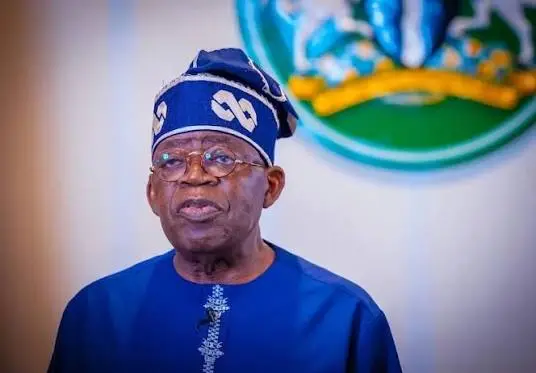
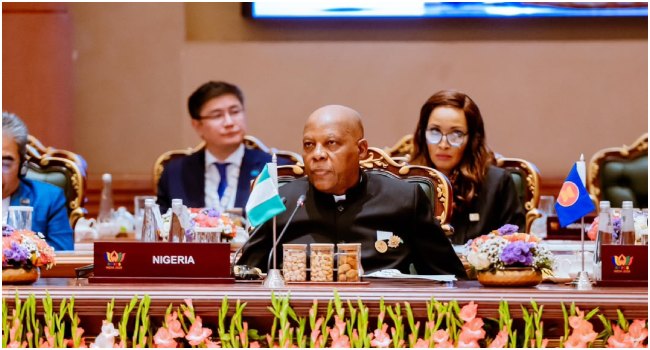
President Bola Ahmed Tinubu made the call through Vice President Kashim Shettima at the 21st Extraordinary Session of the African Union Assembly in Luanda, Angola.
Nigeria has asked the AU to place the issue on the agenda of its 40th Ordinary Session, scheduled for January 2027, where African leaders can consider a broader continental response.
The move represents an escalation of Nigeria’s response to the crisis. It follows months of concern over attacks on foreign nationals and the evacuation of Nigerian citizens from South Africa.
Nigeria has already brought citizens home
The latest diplomatic push comes after the Federal Government evacuated 1,490 Nigerians from South Africa following the attacks.
The government also condemned the killing of two Nigerians in South Africa in July, adding to concerns about the safety of Nigerians living and working in the country.
For Nigeria, the issue has therefore moved beyond diplomatic statements.
The safety of its citizens abroad has become part of the country’s response to the wider xenophobia debate.
Tinubu wants an African response
Tinubu said South Africa has the sovereign right to enforce its immigration laws and acknowledged the country’s contribution to Africa.
However, he argued that attacks targeting Africans and other foreign nationals require urgent collective attention.
Nigeria wants African leaders to consider the issue at the AU’s January 2027 summit.
The request would give the bloc an opportunity to discuss measures beyond individual diplomatic protests.
It could also force African governments to confront a difficult question: how should the continent respond when citizens of one African country face violence in another?
Why the issue goes beyond Nigeria and South Africa
Xenophobic violence in South Africa has a long history.
The African Commission on Human and Peoples’ Rights has previously documented repeated attacks against nationals from other African countries and warned that such violence violates fundamental rights and undermines the principle of African solidarity.
In April 2026, the Commission again expressed concern over attacks and intimidation targeting foreign nationals in South Africa.
That history gives Nigeria’s latest call a wider significance.
The problem is not limited to the treatment of Nigerians.
It concerns the safety of Africans who move across borders for work, trade, education and other opportunities.
The economic contradiction
There is also a broader economic issue behind the dispute.
South Africa remains one of Africa’s biggest economies and a major destination for migrants from other African countries.
Nigerians operate businesses, work in professional sectors, and maintain Nigerian business relations with South Africa.
At the same time, South African companies have significant interests across Nigeria and other African markets.
That interdependence makes prolonged hostility between communities and governments particularly damaging.
A continent seeking deeper economic integration cannot easily separate the movement of goods and capital from the movement of people.
The African Continental Free Trade Area aims to increase economic integration across Africa. But integration becomes harder when citizens fear violence when they cross borders.
What Nigeria is asking the AU to do
Nigeria is not calling for South Africa’s immigration laws to be abandoned.
Instead, Tinubu wants African leaders to develop a collective response to xenophobia and Afrophobia.
He called for greater use of dialogue, preventive diplomacy and collective action to address the problem.
The President also urged African countries to strengthen their own institutions rather than rely heavily on outside powers to resolve continental conflicts.
That message formed part of his wider intervention at the AU summit, where Nigeria backed the Luanda Action Plan on conflict prevention.
The test will be what happens next
Nigeria has now taken the issue to the continental level.
The next test is whether the AU will turn the concern into a concrete programme of action.
That could include stronger monitoring of attacks against African nationals, better protection mechanisms, diplomatic engagement and clearer consequences for perpetrators.
For Nigerians living in South Africa, however, the question is more immediate.
They need to know whether diplomatic pressure will translate into greater protection on the ground.
For the wider continent, the issue raises an even bigger question. Can Africa build genuine regional integration if Africans remain vulnerable to violence when they cross the borders of fellow African countries?
The AU’s response in January could provide an early indication of how seriously the continent is prepared to confront that contradiction.
Cybersecurity researchers expose weaponized digital advertising networks deploying automated surveillance software directly onto mobile devices without requiring user interaction.
Cybersecurity...