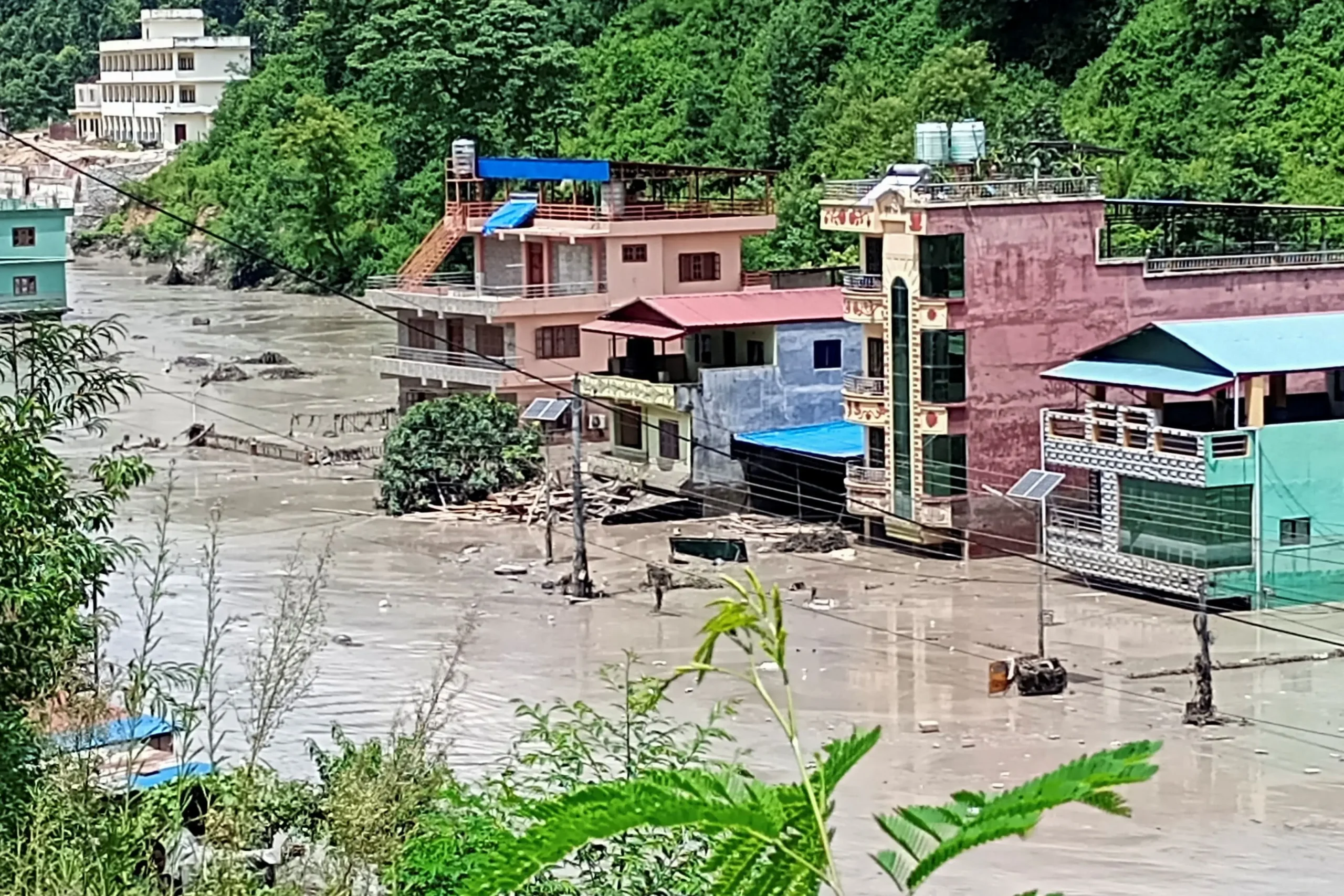



National meteorological agencies urge residents and travelers to prepare for localized flash flooding, gale-force winds,and travel disruptions across the Mediterranean coast.
Emergency authorities in Europe have issued urgent weather warnings for severe rainfall and flooding across central Greece and western Turkey.
A powerful low-pressure system moving across the Aegean Sea is bringing intense downpours, strong gale-force winds,and heavy electrical storms.
Meteorological services warn that prolonged heavy rainfall could trigger flash floods, landslips, and severe urban drainage overflows across both countries.
In central Greece, regional authorities advised residents in Thessaly, the Sporades islands, and eastern mainland areas to limit non-essential movement.
Weather models predict localized rainfall totals reaching extreme levels over short timeframes, raising immediate concerns for low-lying farming communities.
Emergency response teams across mainland Greece remain on high alert, preparing water rescue equipment and setting up temporary shelter facilities.
Public safety officials issued emergency mobile alerts instructing citizens to avoid crossing swollen rivers, flooded underpasses, and damaged coastal roads.
Port authorities suspended several regional ferry routes as violent sea conditions and powerful wind gusts swept across the northern Aegean.
Meanwhile, municipal officials in western Turkey issued parallel weather advisories for coastal provinces, including Izmir, Aydin, and the city of Istanbul.
Torrential downpours in major Turkish urban centers threaten to cause severe morning traffic delays, flooded highways,and localized public transport disruptions.
Local municipal crews in Turkey spent recent hours clearing stormwater drains, setting up water pumps, and securing vulnerable low-lying infrastructure.
Disaster management agencies advised residents living near steep hillside terrain to remain vigilant against sudden mudslides caused by saturated soil.
The severe weather system arrives following unseasonably warm Mediterranean temperatures, which created volatile atmospheric conditions fueling heavy thunderstorm activity.
Climate scientists note that rising ocean surface temperatures frequently intensify autumn storm systems, leading to more frequent extreme rainfall events.
Farmers across central Greece express deep concern regarding potential crop damage, particularly in agricultural regions still recovering from past flooding.
Similarly, business owners in coastal tourism hubs are taking urgent precautions to protect storefronts, equipment, and inventory from rising waters.
Schools and community centers in vulnerable districts may temporarily close if extreme precipitation continues throughout the coming days.
Flight operations at regional airports could also experience temporary delays as air traffic controllers navigate severe low-altitude wind turbulence.
Government leaders from both nations called on citizens to strictly follow official emergency directives and monitor real-time weather updates.
As the storm system moves eastward, rescue teams and emergency services remain fully deployed to safeguard lives and vital public infrastructure.