


Tensions surge across the Persian Gulf as precision air operations target strategic assets, while regional diplomats push for an urgent cease-fire deal to safeguard maritime trade.
The United States has launched targeted military strikes on Iran’s strategically vital Qeshm Island located in the Strait of Hormuz.
The precision military action targeted air defense installations and missile launch positions following escalating attacks against commercial shipping vessels throughout the corridor.
Local defense sources reported multiple missile impacts near key Iranian naval infrastructure, marking a significant tactical escalation in the ongoing regional conflict.
The strike represents one of the most direct military engagements on sovereign Iranian territory since major hostilities erupted earlier this year.
American defense officials characterized the operation as a limited defensive action meant to neutralize capabilities threatening international maritime navigation routes.
However, Iranian military commanders condemned the assault, warning that retaliatory measures would be launched against American assets across the Middle East.
Escalating Maritime Hazards In The Strait
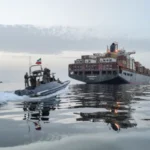
The strikes coincided with fresh reports of maritime incidents near the narrow waterway, including oil tankers suffering damage from explosive sea mines.
Commercial shipping traffic through the Strait of Hormuz remains severely restricted, causing severe disruptions to global oil and gas supply chains.
Naval authorities across the region have warned commercial vessels to exercise extreme caution as military maneuvers and mine hazards persist.
Global energy markets reacted immediately to the latest military operations, with international crude oil prices experiencing sharp upward volatility.
Shipping companies have suspended multiple routes, while international maritime insurance rates for transit through the Persian Gulf reached record highs.
The continued disruption of the vital maritime bottleneck has amplified global economic anxieties surrounding energy security and transportation inflation.
Intensive Diplomatic Efforts To Prevent War
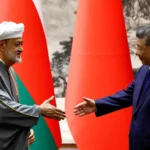
Amid the escalating military strikes, international mediators led by Qatari and Omani diplomats are working around the clock to broker a compromise.
Mediators are presenting revised diplomatic frameworks aimed at securing a temporary cease-fire and guaranteeing safe commercial passage through the strait.
Negotiators emphasized that establishing an immediate halt to direct strikes remains essential to preventing an uncontrolled regional military conflict.
Under the proposed diplomatic framework, Washington would ease targeted maritime blockades in exchange for guaranteed Iranian compliance on shipping security.
However, hardline officials on both sides maintain rigid bargaining positions, complicating efforts by international diplomats to secure a final signature.
Iranian representatives insist that any lasting accord must include significant economic sanctions relief and the unfreezing of restricted foreign assets.
Meanwhile, American policymakers face intense pressure to ensure foreign military operations do not draw the nation into an extended conflict.
As military assets remain deployed across the Persian Gulf, regional governments continue urging both nations to prioritize diplomatic resolutions over military escalation.