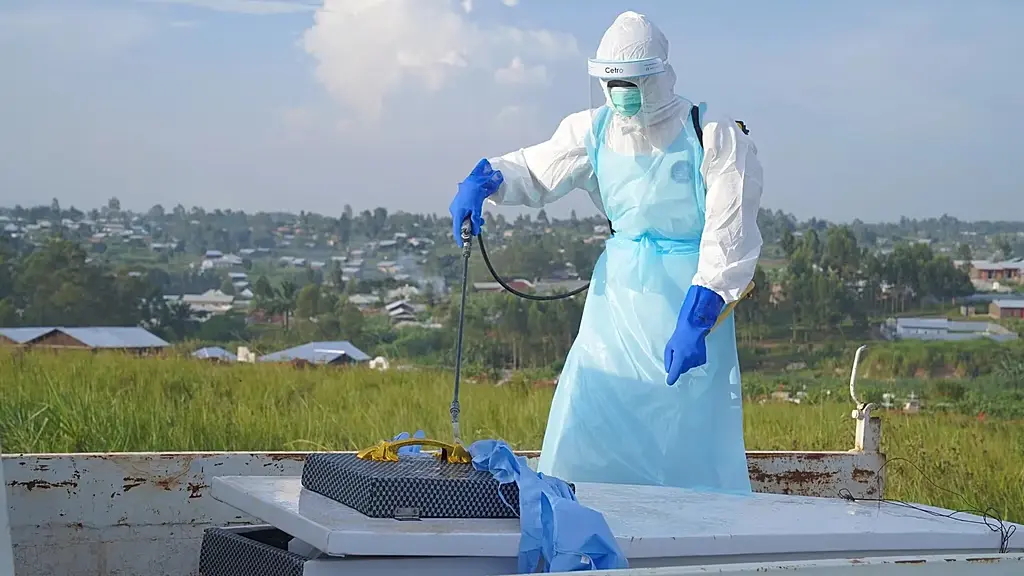



Health authorities activate national emergency containment protocols after a traveler returning from East Africa tests positive for viral hemorrhagic fever in the nation’s capital.
The Federal Ministry of Health and Social Welfare has confirmed a case of Ebola virus disease in the Federal Capital Territory.
The single laboratory-confirmed index case involves a female patient who recently returned to Nigeria following international travel through East Africa.
According to official medical reports, the patient began exhibiting elevated body temperatures and related clinical symptoms earlier this month.
She subsequently presented at a private health facility in Abuja, where medical personnel immediately isolated her for comprehensive diagnostic testing.
Rigorous molecular laboratory evaluations conducted by public health authorities confirmed the positive diagnostic result for the dangerous viral infection.
Following the definitive laboratory outcome, national health agencies immediately activated comprehensive outbreak response and containment procedures across the capital city.
The Nigeria Centre for Disease Control and Prevention has deployed specialized rapid response teams to oversee clinical management and environmental decontamination.
Epidemiological surveillance officers have successfully identified forty-four close contacts who interacted with the patient prior to her medical isolation.
All identified primary contacts are currently placed under strict daily health monitoring and mandatory quarantine protocols to prevent secondary transmission.
Minister of Health Muhammad Pate assured the public that national surveillance systems are fully alert and functioning across key international entry points.
He emphasized that health screening procedures, traveler health declaration forms, and temperature monitoring have been intensified across all major international airports.
Federal health officials urged citizens to maintain calm, avoiding panic while adhering strictly to basic hygiene and infection control measures nationwide.
Public health advisories emphasize frequent handwashing with soap and running water, alongside avoiding direct contact with individuals exhibiting unexplained fever.
Hospital management teams across public and private health institutions have been instructed to maintain high clinical suspicion for hemorrhagic fevers.
Healthcare workers are mandated to utilize standard personal protective equipment when attending to patients presenting with viral fever symptoms nationwide.
The confirmation follows heightened regional monitoring across central and eastern African nations managing localized viral hemorrhagic fever outbreaks this year.
National authorities highlighted that early isolation, transparent risk communication, and disciplined contact tracing remain the primary defenses against community spread.
Federal agencies continue coordinating closely with international health organizations and regional health bodies to secure necessary medical supplies and specialized therapeutics.
The government reaffirmed its commitment to providing transparent daily operational updates as surveillance officers continue tracking secondary contacts across the city.
Citizens are encouraged to report suspected symptomatic individuals to public health hotlines to ensure swift medical evaluation and community protection.