


Plateau State has recorded 2,047 tuberculosis (TB) cases between July and September 2026, while the state’s estimated annual disease burden stands at 11,000 cases, a health official has disclosed.
Yohanna Bot, monitoring and evaluation officer of the Plateau State Tuberculosis and Leprosy Control Programme, disclosed the figures at a media advocacy meeting on community-led monitoring of health services in Jos.
Bot said the estimated burden was based on a TB prevalence rate of 219 cases per 100,000 people, warning that the infectious disease remained a major public health challenge in the state.
“From our quarterly survey, we discovered that between July and September, 2,047 patients were identified and placed on treatment,” he said.
He added that the patients were receiving treatment at health facilities across Plateau State.
Stigma And Insecurity Complicate TB Control
Bot identified malnutrition, advanced age, weakened immunity, overcrowding and HIV infection as factors that could increase the risk of contracting tuberculosis or developing severe illness.
He also expressed concern about stigma and misconceptions surrounding the disease, noting that some residents attributed TB to spiritual or ritual causes instead of seeking medical care.
According to him, these beliefs discourage early diagnosis and delay the commencement of treatment.
Insecurity and displacement have also complicated efforts to detect and manage TB, particularly in Mangu, Jos South and Barkin Ladi local government areas.
Bot said displacement had led to the establishment of internally displaced persons’ camps, where overcrowded living conditions could increase the risk of transmission.
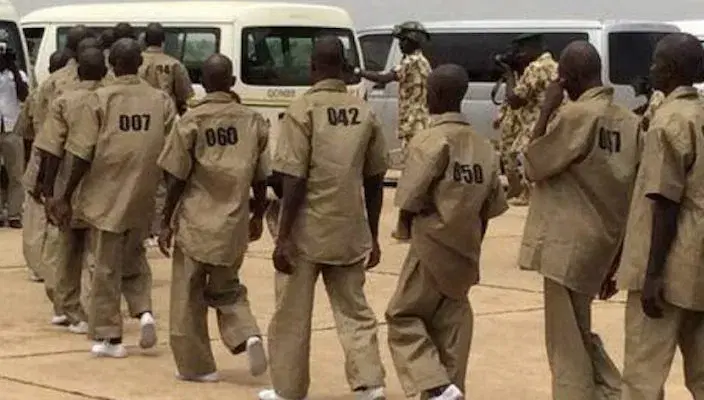
To address the challenge, the state programme is prioritising community outreach and active screening in IDP camps and correctional centres to identify patients and link them to treatment.
Bot explained that effective treatment could reduce a patient’s infectiousness, although the timing depends on the individual’s clinical condition and response to therapy.
Official Raises Concern Over Anti-TB Drug Supply
The programme official also raised concerns about shortages of anti-tuberculosis medicines, attributing the supply gaps partly to disruptions in the supply chain and dependence on international support, particularly funding from the Global Fund.
He called for increased public awareness to tackle stigma and misconceptions, urging residents who experience symptoms suggestive of TB to seek medical evaluation at health facilities.
Community-Led Monitoring Supports Healthcare Improvements
Peter Ezekiel, Plateau State programme officer of the Global Fund AIDS, Tuberculosis and Malaria Integrated Community-Led Monitoring Project, said Nigeria continued to face a significant burden of tuberculosis, HIV and malaria.
He explained that community-led monitoring enables residents and other stakeholders to identify gaps in healthcare delivery and advocate improvements in access to essential services.
According to Ezekiel, the approach helps communities identify barriers such as discrimination, stigma and gender-related challenges while pushing for better infrastructure and increased domestic healthcare funding.
He said the initiative had supported infrastructure rehabilitation and service improvements across Plateau State.
Among the interventions, he listed the rehabilitation and re-piping of toilet facilities at the Primary Health Centre in Rantya, Jos South.
Community stakeholders also donated a scanning machine and 10 iron-framed chairs to the Primary Health Centre in Gangare, Jos North, as well as a blood pressure monitoring device to the facility in Dogon Agogo.
Other interventions included hospital bed mattresses for the Primary Health Centre in Pushit, Mangu, and TB sputum collection cups for the COCIN Rehabilitation Centre in Mangu.
Ezekiel added that community members supplied 500 patient enrolment forms to support healthcare delivery.
In Lamingo, residents mobilised resources to engage security personnel to protect night-shift workers and property at the local primary healthcare centre. The agreed monthly payment was ₦15,000.
He said the interventions had improved infection prevention, patient experiences and healthcare delivery.
Stakeholders Seek More Healthcare Funding
Ezekiel called for stronger collaboration among communities, government agencies and health partners, alongside adequate funding for primary healthcare and greater accountability in the management of health resources.
He also urged the expansion of national and state health insurance programmes to cover vulnerable people, particularly low-income earners.
Yakubu Izang, director of disease control and immunisation at the Plateau State Primary Health Care Board, said community-led monitoring helped identify healthcare delivery problems that government agencies might otherwise overlook.
He said the approach encouraged communities and public officials to work together to identify challenges and develop solutions to improve access to healthcare services.