


The Federal Government has intensified talks on a transcontinental gas pipeline that aims to deliver Nigeria’s vast natural gas reserves to Europe.
Louis Ibah, spokesperson to the Minister of State for Petroleum Resources (Gas), said the initiative will boost energy security and unlock long-term economic value.
Pipeline Plan Targets Europe
The proposed pipeline will transport up to 30 billion cubic metres of gas each year. It will run from southern Nigeria through Chad and Libya, then extend under the sea to Sicily in Italy before reaching wider European markets.
Officials describe the project as a major energy corridor that could reshape Nigeria’s global gas position.
Ekpo: Nigeria Ready for Investment
Minister of State for Petroleum Resources (Gas), Ekperikpe Ekpo, met industry leaders in London to push the project forward.
He said Nigeria has created a strong investment climate through reforms in the petroleum sector.
“Nigeria is ready for investors. The Petroleum Industry Act and recent executive orders have created a better environment for investment,” he said.
Ekpo urged stakeholders to act quickly and use the country’s gas resources to drive development.
NNPC Signals Strong Commitment
Olalekan Ogunleye, Executive Vice President for Gas, Power and New Energies at NNPC Limited, said the company is aligning its strategy with national goals.
He explained that Nigeria’s Gas Master Plan supports investment across the value chain.
“We are removing bottlenecks and creating real opportunities for investors. NNPC is ready for business,” he said.
Project Backers Highlight Economic Gains
Project promoter Roger Tamraz described the pipeline as both profitable and critical for Europe’s energy needs.
Other partners also backed the initiative. Alain Bolo said the project could cut gas flaring and strengthen Nigeria’s role as a key supplier.
Netoil’s Project Director, Henry Erimodafe, called it a “win-win” that will create jobs and attract investment.
Early Stage but High Expectations
The project remains in its early phase. Developers must still complete technical studies, secure funding, and obtain regulatory approvals.
Despite these steps, stakeholders remain optimistic. They believe the pipeline could boost Nigeria’s economy and deepen energy ties with Europe.
Global Energy Pressure Drives Urgency
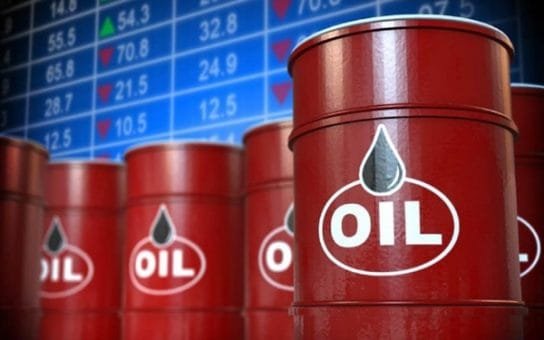
The renewed push comes as global oil and gas supply faces pressure due to tensions in the Middle East.
Nigeria has signalled its readiness to support global supply if needed. Mohammed Idris said the country can step in to ease shortages.
His comments came during an interview with BBC, where he confirmed Nigeria’s willingness to supply oil amid ongoing disruptions.
What This Means
The pipeline project could reposition Nigeria as a major energy supplier to Europe. It also highlights the country’s strategy to move beyond crude exports and maximise gas potential.
If completed, the project will mark a major shift in Africa–Europe energy relations.
The Federal Government has intensified talks on a transcontinental gas pipeline that aims to deliver Nigeria’s vast natural gas reserves to Europe.
Louis Ibah, spokesperson to the Minister of State for Petroleum Resources (Gas), said the initiative will boost energy security and unlock long-term economic value.
Pipeline Plan Targets Europe
The proposed pipeline will transport up to 30 billion cubic metres of gas each year. It will run from southern Nigeria through Chad and Libya, then extend under the sea to Sicily in Italy before reaching wider European markets.
Officials describe the project as a major energy corridor that could reshape Nigeria’s global gas position.
Ekpo: Nigeria Ready for Investment
Minister of State for Petroleum Resources (Gas), Ekperikpe Ekpo, met industry leaders in London to push the project forward.
He said Nigeria has created a strong investment climate through reforms in the petroleum sector.
“Nigeria is ready for investors. The Petroleum Industry Act and recent executive orders have created a better environment for investment,” he said.
Ekpo urged stakeholders to act quickly and use the country’s gas resources to drive development.
NNPC Signals Strong Commitment
Olalekan Ogunleye, Executive Vice President for Gas, Power and New Energies at NNPC Limited, said the company is aligning its strategy with national goals.
He explained that Nigeria’s Gas Master Plan supports investment across the value chain.
“We are removing bottlenecks and creating real opportunities for investors. NNPC is ready for business,” he said.
Project Backers Highlight Economic Gains
Project promoter Roger Tamraz described the pipeline as both profitable and critical for Europe’s energy needs.
Other partners also backed the initiative. Alain Bolo said the project could cut gas flaring and strengthen Nigeria’s role as a key supplier.
Netoil’s Project Director, Henry Erimodafe, called it a “win-win” that will create jobs and attract investment.
Early Stage but High Expectations
The project remains in its early phase. Developers must still complete technical studies, secure funding, and obtain regulatory approvals.
Despite these steps, stakeholders remain optimistic. They believe the pipeline could boost Nigeria’s economy and deepen energy ties with Europe.
Global Energy Pressure Drives Urgency
The renewed push comes as global oil and gas supply faces pressure due to tensions in the Middle East.
Nigeria has signalled its readiness to support global supply if needed. Mohammed Idris said the country can step in to ease shortages.
His comments came during an interview with BBC, where he confirmed Nigeria’s willingness to supply oil amid ongoing disruptions.
What This Means
The pipeline project could reposition Nigeria as a major energy supplier to Europe. It also highlights the country’s strategy to move beyond crude exports and maximise gas potential.
If completed, the project will mark a major shift in Africa–Europe energy relations.