Prince Folorunsho Adegoke is a media professional and journalist with experience in digital, television and print journalism. He covers Nigerian affairs, African development, international relations, housing and economic issues.
The administration of Donald Trump has approved a temporary waiver on sanctions targeting Iranian oil exports, aiming to ease rising global energy prices triggered by the ongoing Middle East conflict.
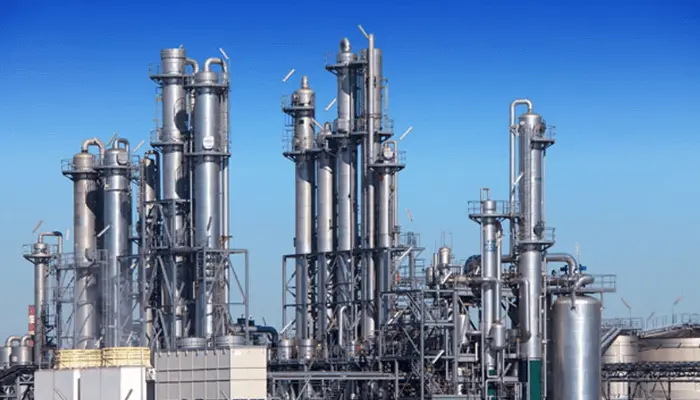
The decision allows limited transactions involving Iranian crude already at sea, with officials hoping the move will stabilise supply and calm volatile markets.
30-Day Waiver Targets Supply Shock
Scott Bessent confirmed that the waiver will run for 30 days and could release about 140 million barrels of oil into global circulation.
He said the policy seeks to quickly increase supply and reduce pressure on energy markets, which have experienced sharp price spikes in recent weeks.
“Unlocking existing supply will help ease temporary disruptions and expand global energy availability,” Bessent said.
Oil Prices Surge Amid Conflict
Global oil prices have surged by nearly 50 percent, crossing the $100-per-barrel mark for the first time since 2022.
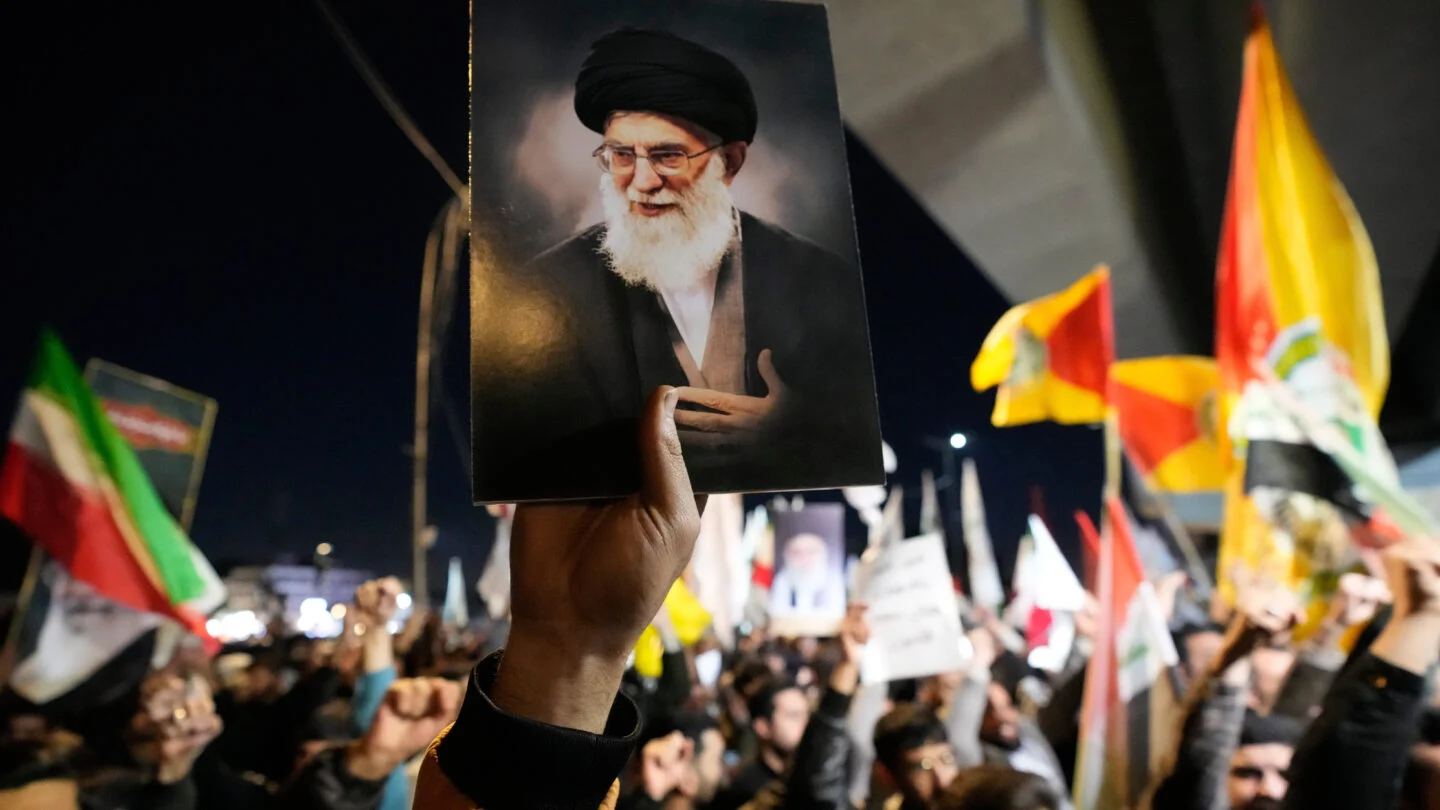
Analysts link the spike to the ongoing US-Israel military operations involving Iran, which have disrupted supply chains and raised fears of wider instability in key oil-producing regions.
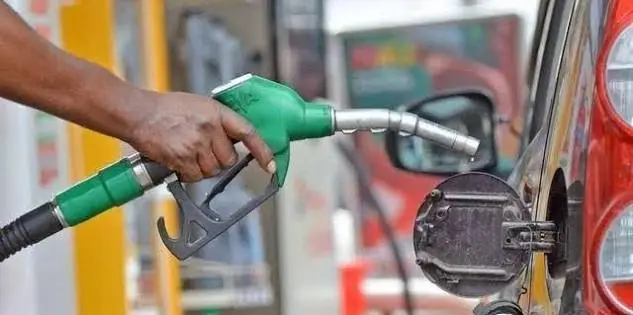
The White House is under pressure to contain the economic impact, especially as higher fuel costs affect businesses and households.
Policy Sparks Debate in Washington
While officials say the waiver will stabilise markets, critics warn it could indirectly benefit Iran at a time of heightened tensions.
Some analysts argue that easing restrictions even temporarily may provide financial breathing room for Tehran during the conflict.
Still, US officials insist the move focuses strictly on market stability rather than long-term policy changes.
Third Sanctions Relief in Two Weeks
This marks the third sanctions adjustment in recent weeks. The US has already relaxed restrictions on certain oil flows, including Russian exports, to manage supply concerns.
According to details published by the United States Department of the Treasury, the latest licence permits the sale of Iranian oil and petroleum products loaded onto vessels before a specified deadline in April.
What This Means for Global Markets
The temporary waiver highlights the delicate balance between geopolitics and energy security.
If successful, the move could help cool prices in the short term. However, long-term stability will depend on how the conflict evolves and whether supply disruptions continue.
For now, global markets remain on edge as policymakers race to prevent a deeper energy crisis.