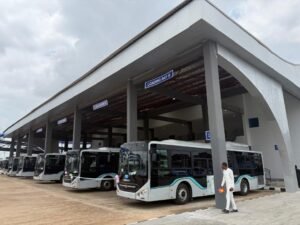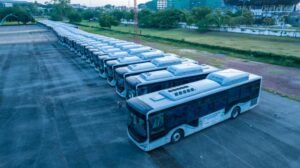



Even as fuel prices surge across Nigeria and global transport costs climb, the Enugu State Rapid Bus Service has maintained stable fares, offering relief to commuters.
The state government has deliberately held prices steady to shield residents from rising living costs. Officials say the move reflects a broader commitment to social protection and inclusive mobility.
Stable Fares, Growing Impact
The bus system now serves about 600,000 residents daily across Enugu State. Many commuters depend on it for reliable and affordable transport to work, school, and business hubs.
Authorities describe the initiative as more than a transport programme. They say it is a targeted investment designed to improve access to opportunities while reducing financial pressure on households.
Why It Matters
Across Nigeria, higher fuel prices have pushed up transport fares, forcing many families to adjust their spending. In contrast, Enugu’s approach helps commuters plan their daily expenses without sudden shocks.
Experts note that affordable public transport can boost productivity, reduce urban stress, and support economic growth—especially in fast-growing cities.
The Bigger Picture
By keeping fares low, Enugu State positions its transport system as a model for balancing economic realities with citizen welfare. The strategy highlights how subnational governments can respond to inflation without passing the full burden to residents.
For more on transport policies and mobility trends, visit the World Bank.