I’m Maryam, 27 years old, a Computer Science graduate with experience in administration, customer service, HR support, and working with people. I enjoy taking on responsibilities, finding practical ways to get things done, and communicating with people clearly. I also have a creative side and enjoy content writing and creating content that feels natural, relatable, and easy for people to connect with.
President Trump strikes a major fuel agreement with Moscow as regional conflicts and supply disruptions drive American pump prices to record highs.
The United States has issued a temporary sanctions waiver allowing the importation and trade of Russian diesel fuel.
Under the temporary arrangement, Moscow agreed to release up to nearly five million metric tons of diesel onto global markets.
The United States Department of the Treasury backed the political deal by issuing an official general sanctions exemption license.
American officials turned to Russian fuel supplies after severe energy shortages triggered dramatic retail price increases across the nation.
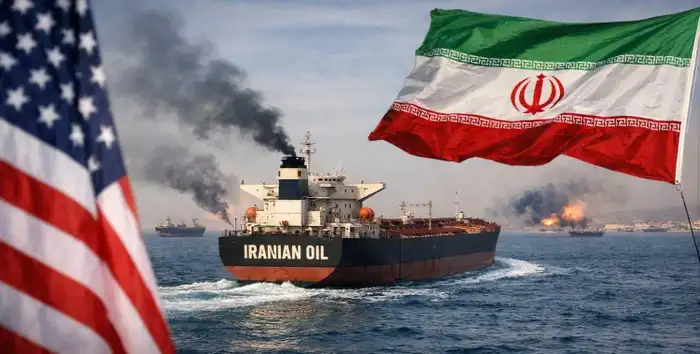
Surging global oil costs and Middle Eastern military escalations severely disrupted international energy supply lines throughout recent months.
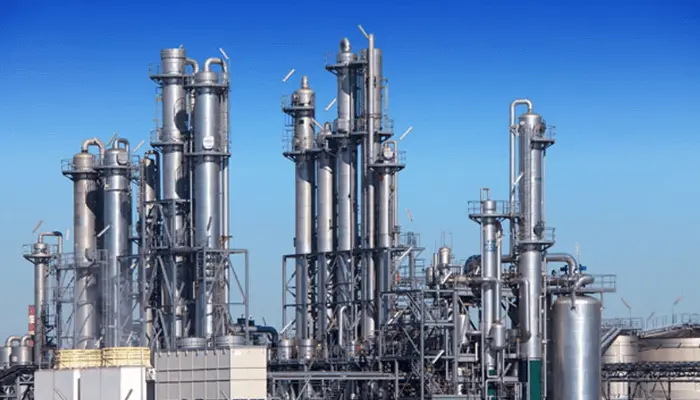
Furthermore, recent drone attacks on major foreign refineries drastically reduced refined fuel manufacturing capacities worldwide.
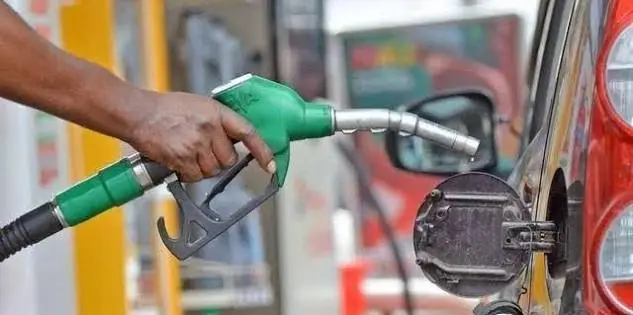
In response, domestic diesel fuel prices surged past historic thresholds, threatening widespread economic inflation across commercial sectors.
Rising transportation fuel expenses significantly increased logistics overhead for freight trucking, agricultural operations, and essential supply networks.
Facing intense economic pressure, American leaders prioritized immediate domestic fuel stabilization over maintaining blanket diplomatic trade restrictions.
The Treasury Department confirmed that all transactions involving Russian-origin diesel are officially authorized through early April next year.
The deal outlines an initial shipments delivery of three hundred thousand tons, with subsequent phased releases following shortly.
For Moscow, the agreement provides crucial foreign revenue streams despite ongoing international sanctions imposed over its military actions.
However, the decision sparked strong reactions from foreign allies, who warned that relaxing sanctions weakens global economic pressure.
Ukrainian officials criticized the waiver, arguing that allowing Russian fuel exports directly undermines ongoing international diplomatic isolation efforts.
European partner nations also maintained their strict bans on direct Russian petroleum product imports despite the American waiver.
Market analysts note that the temporary emergency waiver demonstrates how domestic energy security concerns can reshape foreign policy.
White House representatives emphasized that emergency measures remain necessary to protect American consumers and stabilize vulnerable transportation sectors.
The domestic energy market responded immediately, with wholesale fuel futures stabilizing following the official announcement of incoming supplies.
Government regulators will monitor incoming petroleum shipments closely while continuing efforts to expand domestic refining and production capacity.