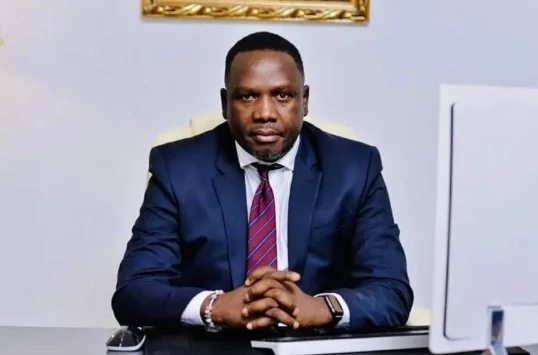
Prince Folorunsho Adegoke is a media professional and journalist with experience in digital, television and print journalism. He covers Nigerian affairs, African development, international relations, housing and economic issues.
U.S. President Donald Trump has said Iran has indicated it will not pursue nuclear weapons, as negotiations between Washington and Tehran continue.
Speaking to reporters in the Oval Office, Trump stated that Iran has “agreed they’ll never have a nuclear weapon,” adding that ongoing discussions are showing signs of progress.
Talks underway as tensions ease
According to Trump, U.S. officials are actively engaging Iranian counterparts in negotiations aimed at reaching a broader agreement.
He referenced key figures involved in the process, including Marco Rubio and JD Vance, noting that discussions are ongoing and moving in a constructive direction.
“They’re talking to us, and they’re talking sense,” Trump said.
Iran ‘open to deal’, Trump suggests
Furthermore, Trump expressed confidence that Iran is willing to reach an agreement, pointing to what he described as increased pressure on the country.
“The other side would like to make a deal,” he said, suggesting that current conditions may be influencing Tehran’s position.
Strong rhetoric on military capability
However, Trump also delivered forceful remarks regarding U.S. military strength, claiming overwhelming dominance in the region.
“We are roaming free over Tehran. We can do whatever we want,” he said.
These comments reflect a mix of diplomacy and assertive posturing, a strategy that has often defined U.S. engagement in the Middle East.
Global implications
The development comes at a time of heightened global focus on nuclear non-proliferation and regional stability.
If confirmed, any agreement preventing Iran from developing nuclear weapons would mark a significant shift in international relations and security dynamics.
Nollywood filmmaker uses lighthearted social media video to address ongoing online narratives regarding her work with young creatives.
Award-winning Nollywood...