Prince Folorunsho Adegoke is a media professional and journalist with experience in digital, television and print journalism. He covers Nigerian affairs, African development, international relations, housing and economic issues.
The Federal Government has rejected calls to publish a transaction-specific breakdown of how it will use funds accessed through its $5 billion financing arrangement with First Abu Dhabi Bank (FAB).
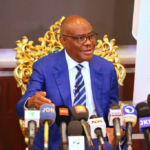
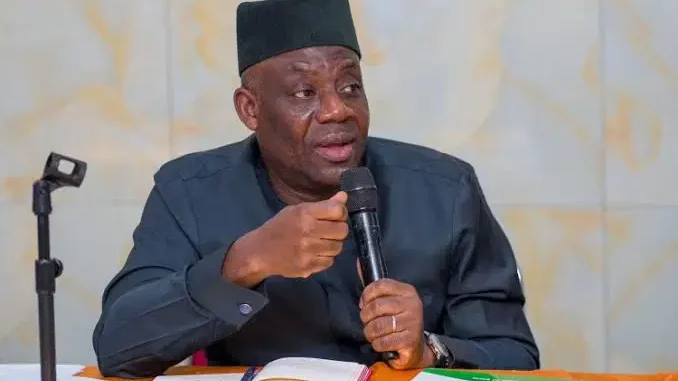
Minister of Finance and Coordinating Minister of the Economy, Taiwo Oyedele, defended the facility during a media briefing in Abuja.
He said the government had subjected the arrangement to the required approval process. He also argued that officials had placed too much focus on the particular financing deal.
Why the Government Defends the Facility
Nigeria has already drawn about $1.5 billion from the $5 billion arrangement.
The first drawdown forms part of a financing structure designed to support the 2026 budget, infrastructure spending and the refinancing of existing debt.
Oyedele said the government would account for its spending. However, he questioned why critics were demanding a separate spending disclosure for the First Abu Dhabi Bank facility.
He argued that Nigeria does not normally publish a separate spending statement every time it accesses funds from other borrowing sources.
The minister therefore maintained that the FAB financing should not be treated differently from other government borrowing.
Oyedele: National Assembly Approved the Deal
Oyedele also rejected suggestions that the government entered the transaction without proper oversight.
According to him, the Federal Executive Council considered the facility before the government presented it to the National Assembly for approval.
He said the legislative approval makes the transaction a public matter and disputes suggestions that the government arranged the financing secretly.
The National Assembly approved the broader borrowing request in March 2026. Nigeria subsequently began accessing the FAB facility in phases.
Why Nigeria Is Drawing the Money in Phases
The finance minister explained that Nigeria does not intend to take the entire $5 billion at once.
Instead, the government plans to draw the funds according to its needs.
This approach, he said, could reduce financing costs because Nigeria would avoid paying charges on money it has not yet used.
Oyedele said the government wants to ensure that every drawdown serves a clear financing purpose.
The minister has previously said the facility will support debt refinancing, infrastructure and budget implementation.
Government Says Flexible Rates Could Lower Costs
Oyedele also highlighted the difference between the FAB arrangement and some of Nigeria’s existing fixed-rate debt.
According to him, the First Abu Dhabi Bank facility uses a flexible interest-rate structure.
That means Nigeria’s financing costs could rise if market rates increase. However, the country could also benefit if rates fall.
Oyedele said the overall cost of the transaction remains below the cost of some debt already in the government’s portfolio.
He added that the main objective is to replace more expensive borrowing with cheaper financing where possible.
“So the objective is to use it to refinance expensive debt so you can save money,” Oyedele said.
IMF Raises Transparency Concerns
The financing arrangement has nevertheless attracted scrutiny from international institutions.
The International Monetary Fund (IMF) previously warned that derivative-based financing structures can carry significant risks. It also raised concerns about the complexity and transparency of such transactions.
The concerns centre partly on the difficulty of assessing the full financial obligations created by complex instruments such as Total Return Swaps.
Nigeria, however, has continued with the arrangement after obtaining legislative approval.
First $1.5bn Drawdown Confirmed
The government confirmed in June that it had accessed the first $1.5 billion from the $5 billion facility.
Oyedele said the phased approach would help Nigeria avoid unnecessary borrowing costs.
He also stressed that the government would not issue a separate announcement every time it makes another drawdown, describing the facility as part of the country’s broader borrowing programme.
Finance Ministry Plans Further Explanation
Despite rejecting calls for a transaction-specific spending breakdown, Oyedele said the government plans to provide additional information about the financing arrangement.
He said the Ministry of Finance and the Debt Management Office (DMO) would publish frequently asked questions about the facility.
The planned explanation is expected to address some of the concerns surrounding the structure, cost and purpose of the financing.
The development comes as Nigeria continues to balance its need for infrastructure and budget financing against concerns about debt sustainability, borrowing costs and transparency.
For official information on Nigeria’s debt management and borrowing programme, visit the Debt Management Office (DMO).