I’m Maryam, 27 years old, a Computer Science graduate with experience in administration, customer service, HR support, and working with people. I enjoy taking on responsibilities, finding practical ways to get things done, and communicating with people clearly. I also have a creative side and enjoy content writing and creating content that feels natural, relatable, and easy for people to connect with.
Investigation reveals over 176,000 tonnes of fuel exported from South Korean ports to Russia’s far east using shadow fleet tankers.
An investigation into port records and maritime tracking data has revealed that significant quantities of refined fuel are being shipped from South Korea to Russia, despite Seoul’s public support for Ukraine and international sanctions frameworks.
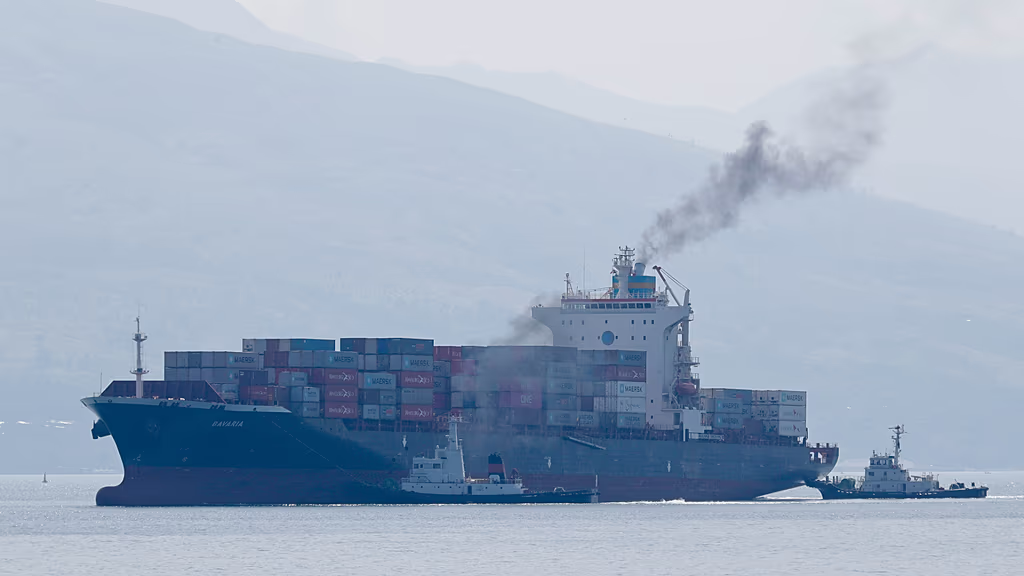
According to reporting published on Tuesday, October 6, 2026, over 176,000 tonnes of fuel—primarily diesel—were loaded at South Korean ports onto seven tankers that completed 14 separate voyages to Russia’s far east during July and August.
Sanctioned Tankers and Ship-to-Ship Transfers Utilized
The investigation highlighted that at least three of the vessels involved in the fuel trade were under active sanctions imposed by the United Kingdom and the European Union.
In one instance, a sanctioned tanker conducted a ship-to-ship transfer in South Korean territorial waters near Yeosu, a tactic commonly used by maritime operators to obscure cargo origin and bypass port oversight.
“It is shocking that EU-sanctioned tankers loaded fuel at South Korean ports and carried it to Russia,” stated Isaac Levi, an analyst at the Centre for Research on Energy and Clean Air (CREA). “This undermines the sanctions regime and South Korea’s support for Ukraine.”
Data indicates that major Russian energy conglomerates—including state-controlled Rosneft and NNK—were among the buyers receiving the naval shipments at the port of Vladivostok.
Domestic Legal Gaps and Geopolitical Balancing
While the shipments involve vessels targeted by Western allies, the fuel trade does not appear to violate South Korean domestic law, as Seoul’s national enforcement measures rely primarily on export controls for industrial machinery, electronics, and vehicles rather than broad fuel bans.
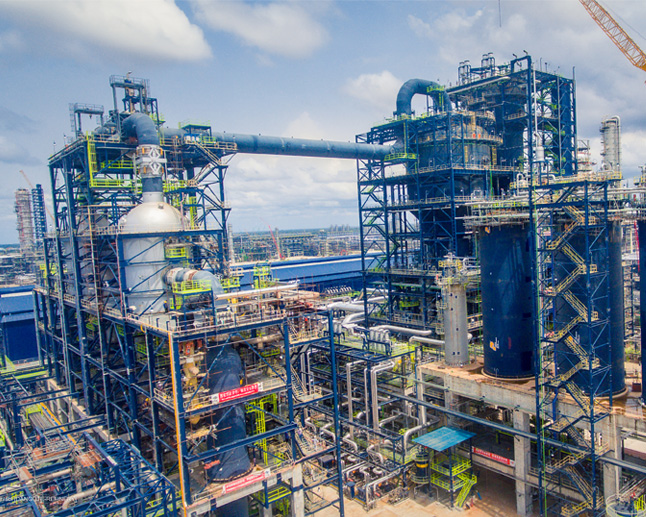
The surge in sea shipments comes at a time when Russian domestic refining capacity has been severely disrupted by Ukrainian drone strikes on critical infrastructure, forcing Moscow to rely heavily on sea imports.
South Korea’s Ministry of Foreign Affairs responded to inquiries by emphasizing its commitment to international law and non-strategic export controls, though it refrained from commenting directly on the specific tanker movements.
The revelations risk creating diplomatic friction between Seoul and Western partners, adding complexity to South Korea’s ongoing effort to balance regional relations while providing humanitarian support to Ukraine.
Prime Minister Sebastien Lecornu halts secondary school operations for the week amid widespread street blockades, arrests, and police clashes.
French...