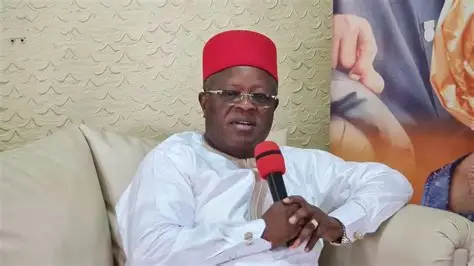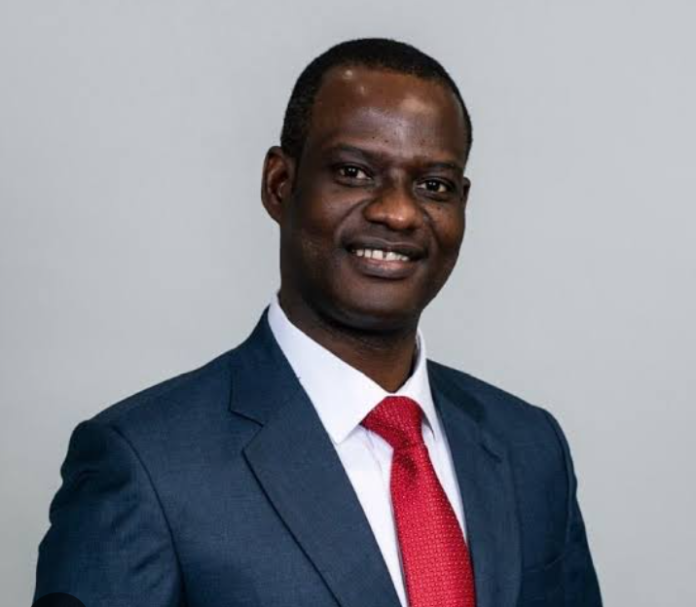



The former governor says he left office in 2014 without unpaid salaries, pensions, gratuities or verified contractor obligations.
Former Anambra State Governor Peter Obi has denied borrowing money from financial institutions or issuing bonds on behalf of the state during his eight years in office.
Obi made the statement on Thursday, September 24, 2026, while appearing on Arise Television’s Prime Time programme amid an ongoing dispute over the financial obligations allegedly inherited by successive administrations in Anambra State.
The former governor, who is now the presidential candidate of the Nigeria Democratic Congress, said his administration left office in March 2014 without outstanding salaries, gratuities or pensions that were due for payment.
He also said contractors and suppliers whose projects had been completed, certified and verified had been paid before he handed over.
“Let me categorically state again: I, Mr Peter Obi, did not approach any financial institution to borrow money or issue bonds on behalf of Anambra State in the eight years that I was in government,” Obi said.
Obi Responds To Anambra Debt Claims
Obi’s comments followed recent claims by the Anambra State Government concerning loans and other financial liabilities associated with previous administrations.
The former governor rejected the suggestion that he left Anambra with the level of debt recently attributed to his administration.
He described the presentation of the state’s financial obligations as a matter of public accounting and disputed the characterisation of multilateral development financing as money personally borrowed by his administration.
According to Arise News, Obi said he did not leave Anambra with a $123 million debt and maintained that he left more than $150 million in funds. These additional claims were part of his response to questions about the state’s financial position when he left office.
The specific figures and accounting treatment remain part of the wider public dispute between Obi and the current Anambra administration.
World Bank And IFAD Loans
Obi also addressed loans attributed to Anambra in connection with multilateral development institutions.
He said some of the facilities described as state debt were concessionary development-support funds obtained by the Federal Government and subsequently made available to qualifying states for specific projects.
Obi said Anambra’s foreign debt position was about $18 million when he assumed office and about $30 million when he left in March 2014.
He further argued that the headline value of a credit facility should not automatically be treated as the amount actually drawn and outstanding.
The distinction between an approved facility and the amount actually drawn has become an important part of the current debate.
A recent report on the controversy quoted Anambra State Commissioner for Information and Value Reorientation, Law Mefor, as acknowledging that the state government had not properly verified the amount drawn from a $123 million World Bank facility before making an earlier claim about the debt.
That reported acknowledgement does not, by itself, resolve the broader question of the state’s historical liabilities or how they should be classified.
Obi Says No Unpaid Verified Contractors
The former governor also maintained that his administration did not leave unpaid obligations to contractors and suppliers whose work had been completed.
He said only contractors whose projects had been executed, certified and verified were covered by the claim.
According to Obi, the same principle applied to salaries, pensions and gratuities that had become due when he left office.
He said the government was not owing workers scheduled to receive those payments on the day of handover.
The claim has been reported by multiple Nigerian outlets covering his Thursday interview.
Obi Invokes Former DMO Chief
Obi also referred to Abraham Nwankwo, who previously served as Director-General of Nigeria’s Debt Management Office.
According to Obi, Nwankwo had publicly acknowledged at a farewell event that Obi was the only governor who had not approached the DMO during Nwankwo’s tenure to seek approval for borrowing.
Obi cited the statement as evidence supporting his position that he did not personally seek borrowing authority from the Federal Government during his time as governor.
That is Obi’s account of the former DMO chief’s remarks; the statement itself would require independent documentary confirmation to establish its precise wording and context.
Obi Says Handover Records Contain Financial Details
Obi also referred to his handover documentation, saying it contained details of cash, investments and foreign-currency holdings he claimed to have left for the incoming administration.
He said the foreign-currency component was supported by bank statements and challenged relevant institutions to publish and verify the records.
Obi also said funds expected from the Federal Government as refunds for contractor obligations had been set aside.
He argued that the relevant financial records, World Bank documentation and bank statements could help establish the actual financial position of Anambra at the point he left office.
Dispute Remains Unresolved
The latest comments do not independently establish the final amount of Anambra State’s historical debt or settle the competing accounts between Obi and the current state administration.
What is established from the latest reporting is that Obi has categorically denied taking commercial loans or issuing bonds on behalf of Anambra during his eight-year tenure.
He has also disputed the way multilateral development financing has been presented in the current debate and maintains that his administration left the state without unpaid salaries, gratuities, pensions or verified contractor obligations that were due at the time.
The Anambra State Government, meanwhile, has previously raised questions about financial obligations inherited from earlier administrations. The recent dispute has focused in part on the distinction between approved loan facilities, amounts actually drawn and liabilities ultimately repayable by the state.
As the controversy continues, the relevant loan agreements, Debt Management Office records, drawdown records, audited state accounts and handover documents would be central to independently determining the financial position of Anambra at the end of Obi’s tenure.