I’m Maryam, 27 years old, a Computer Science graduate with experience in administration, customer service, HR support, and working with people. I enjoy taking on responsibilities, finding practical ways to get things done, and communicating with people clearly. I also have a creative side and enjoy content writing and creating content that feels natural, relatable, and easy for people to connect with.
The former American president reaffirms strong political alignment with Israel’s prime minister, raising global fears of escalated regional warfare and pre-emptive strikes.
Former United States President Donald Trump has publicly reaffirmed his unyielding political support for Israeli Prime Minister Benjamin Netanyahu today.
The high-profile endorsement has sparked intense international speculation regarding potential joint military operations targeting key strategic facilities inside Iran.
Speaking during a recent public appearance, the political figure praised the Israeli leadership, describing the current prime minister as a decisive leader.
He emphasized that close bilateral cooperation remains crucial for neutralizing regional security threats posed by Tehran and its foreign military proxies.
The explicit political alignment comes amid heightened military readiness across the Middle East, with defense assets deployed across critical maritime corridors.
Military analysts observe that public coordination between both political figures frequently precedes strategic shifts in regional defense policy and posture.
Intelligence reports suggest that joint military planning and tactical information sharing between American and Israeli defense forces have reached historic highs.
However, defense officials have not officially confirmed any immediate plans for coordinated air strikes or direct kinetic operations against Tehran.
The strategic rhetoric serves primary dual functions, combining active regional military deterrence with strategic political posturing ahead of upcoming national elections.
Both political leaders face critical domestic political timelines, relying on firm national security platforms to mobilize conservative voter bases effectively.
By framing security challenges through hardline foreign policy positions, both administrations aim to demonstrate uncompromising strength to global adversaries nationwide.
Despite shared strategic objectives regarding Middle Eastern security, diplomatic friction regarding specific operational tactics and timing continues behind closed doors.
American foreign policy strategists historically favor aggressive economic sanctions and targeted diplomatic pressure to compel strategic compliance from foreign leadership.
Conversely, Israeli security leadership consistently emphasizes direct physical deterrence, advocating for proactive military interventions against designated regional targets and infrastructure.
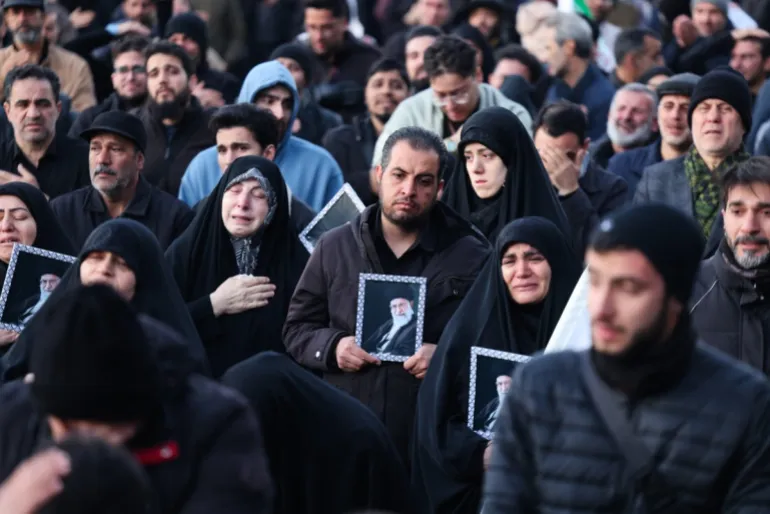
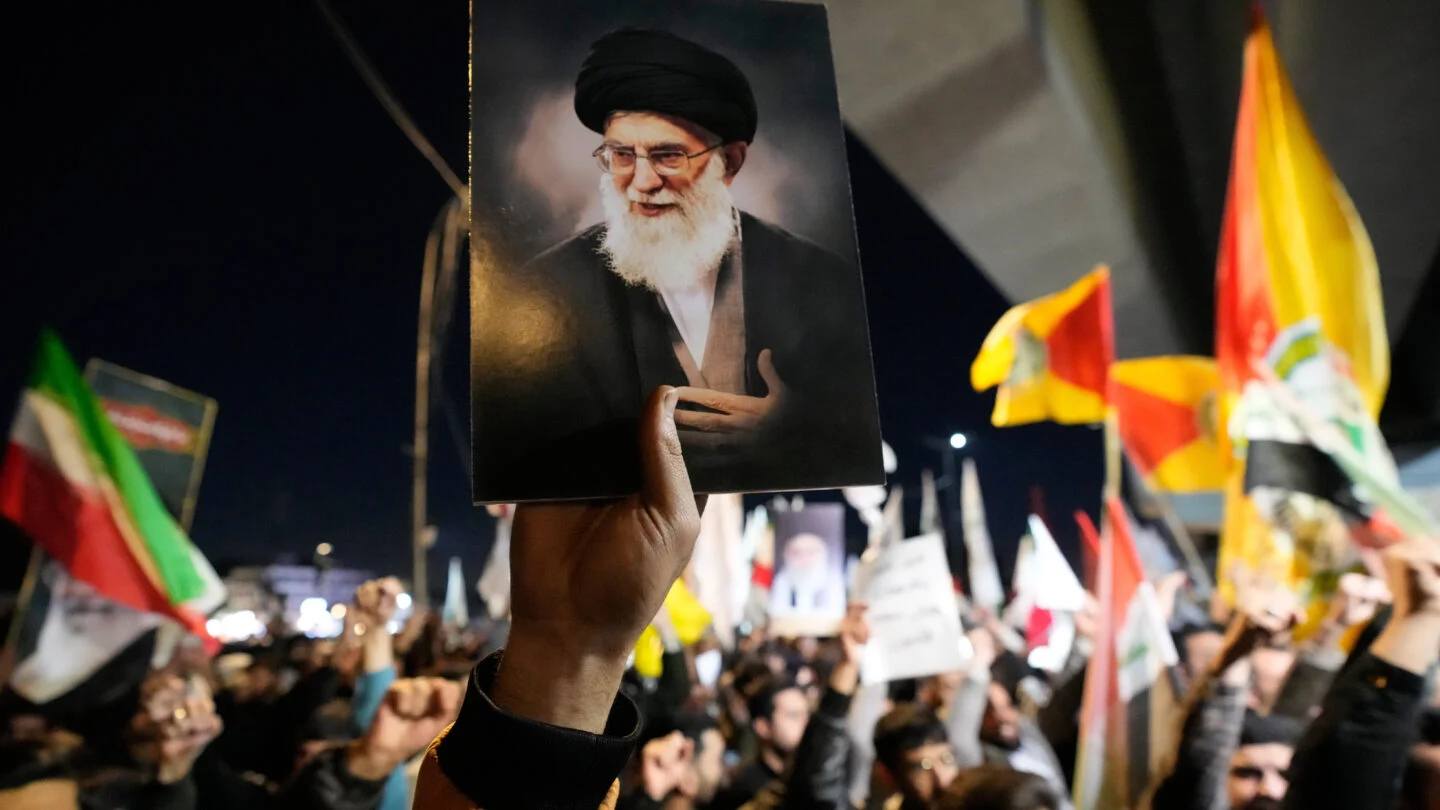
Tehran has responded forcefully to the political endorsements, issuing stern public warnings against any foreign aggression or unlawful military action.
Iranian foreign ministry representatives declared that any hostile action against sovereign national territory would trigger an immediate, devastating counter-offensive response.
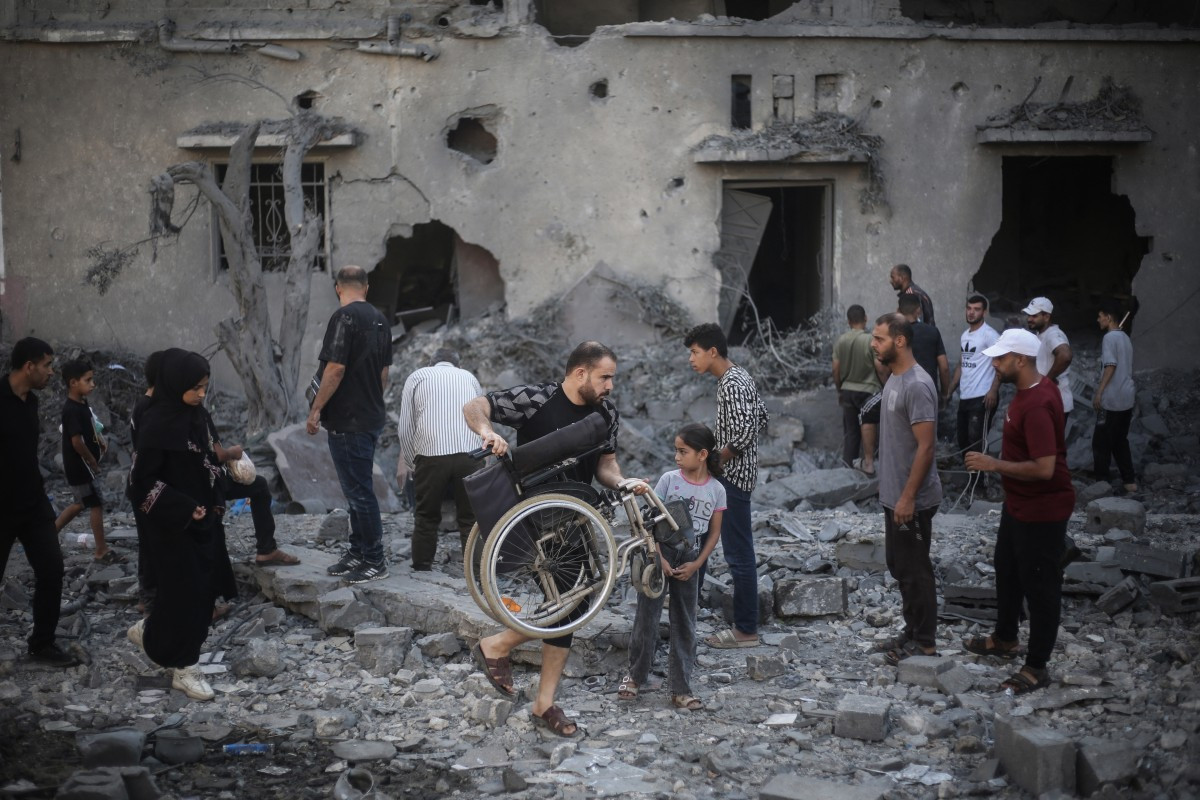
Regional defense experts warn that any unprovoked military strike could quickly escalate into a catastrophic regional conflict impacting global energy markets.
International energy markets have already reacted nervously to the escalating verbal tensions, causing global crude oil prices to fluctuate sharply today.
United Nations diplomatic representatives have urged all involved parties to exercise maximum restraint and prioritize peaceful diplomatic dialogue over conflict.
They warned that further regional destabilization would carry severe humanitarian consequences for millions of innocent civilians living throughout the region.
As diplomatic and military posture continues escalating globally, international observers remain focused on upcoming regional political developments and official statements.
Both Washington and Tel Aviv continue monitoring intelligence reports closely while maintaining elevated operational readiness across all regional military sectors.