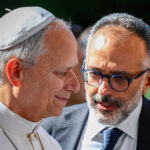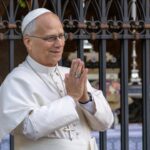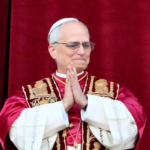



The Vatican confirms the Chicago-born head of the Catholic Church submitted his mail-in ballot to election authorities,emphasizing voting as a fundamental civic duty.
Pope Leo XIV has made history by becoming the first sitting pontiff to vote in a United States election.
The Vatican Holy See Press Office confirmed that the Chicago-born head of the Catholic Church submitted a mail-in ballot.
Spokespersons stated that the decision reflects his long-standing personal habit of participating in democratic processes as an American citizen.
The historic political action occurred as the United States prepares for highly anticipated midterm elections across all fifty states.
Vatican officials confirmed that the pontiff considers voting both a sacred right and an essential civic obligation for citizens globally.
Before his election to the papacy, the American-born spiritual leader consistently participated in federal, state, and local elections.
Elections records indicate that the former cardinal maintained active voter registration status in his native state of Illinois.
The mail-in ballot was officially processed through election authorities in Chicago, where the pontiff previously lived and served.
Vatican representatives declined to reveal specific political candidates or legislative measures supported on the Pope’s confidential ballot paper.
However, Church commentators note that his voting participation sets a powerful precedent for millions of Catholic voters worldwide.
The historic vote follows recent public statements where the Pope encouraged citizens to engage actively in shaping public policy.
Throughout his papacy, he has consistently advocated for social justice, environmental protection, human dignity, and compassionate migration reforms.
International political analysts observe that a sitting pope voting in foreign domestic elections marks an unprecedented historical milestone.
Historically, popes maintained strict political neutrality, avoiding direct participation in national electoral processes to preserve global diplomatic neutrality.
However, Vatican legal experts clarified that holding papal office does not strip an individual of their native national citizenship rights.
The Vatican reiterated that the Pope also exercised his civic voting rights while serving as a bishop in Peru.
News of the pontiff’s mail-in vote generated immediate reaction across international political circles and global faith communities.
Religious leaders across the United States commended the action, noting that civic engagement aligns deeply with Catholic social teachings.
Civic organizations highlighted that his visible participation highlights the growing global emphasis on defending democratic institutions through voting.
As the US midterm elections approach, the Pope’s ballot stands as an extraordinary moment in modern religious and political history.