I’m Maryam, 27 years old, a Computer Science graduate with experience in administration, customer service, HR support, and working with people. I enjoy taking on responsibilities, finding practical ways to get things done, and communicating with people clearly. I also have a creative side and enjoy content writing and creating content that feels natural, relatable, and easy for people to connect with.
California leaders and bipartisan critics condemn statements downplaying potential military threats against major American cities during a campaign speech in Nebraska.
U.S. President Donald Trump has drawn sharp criticism following controversial remarks delivered during a campaign rally in Nebraska.
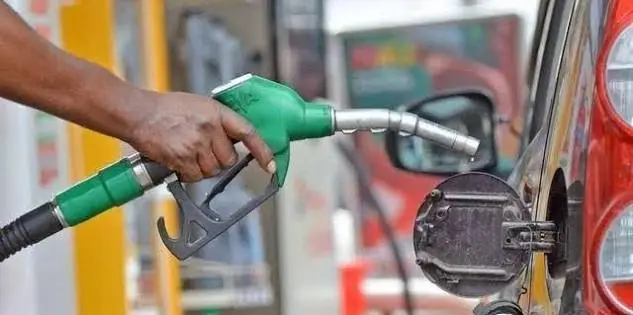
Addressing supporters, Trump discussed elevated fuel costs stemming from ongoing military tensions and active geopolitical conflict with Iran.
He characterized rising consumer costs as a necessary sacrifice for ensuring global stability and national security interests overall.
During the address, Trump asserted that foreign forces could attempt targeting major domestic urban population centers.
“They can take out a city. Let them take out Los Angeles. Let them take out San Diego,” he stated.
He added that such consequences represented a small cost, claiming the broader military conflict would conclude very soon.
The comments triggered swift pushback from California officials, civic leaders, and political opponents across the nation.
California Governor Gavin Newsom strongly denounced the speech, characterizing the statement as reckless and unprecedented for a leader.
Newsom highlighted that millions of American citizens reside in the specified metropolitan zones mentioned during the rally.
Los Angeles Mayor Karen Bass released a formal statement arguing that irresponsible rhetoric compromises civic security and public trust.
San Diego Mayor Todd Gloria echoed those sentiments, explicitly declaring that municipal communities are never acceptable collateral.
Reactions also emerged from within conservative circles, with some regional Republican candidates publicly distancing themselves from the remarks.
However, key political allies and campaign representatives dismissed the mounting backlash as an intentional misinterpretation by political rivals.
Supporters argued the president was using rhetorical hyperbole to emphasize high strategic stakes surrounding regional energy security.
The controversy comes amidst broader public debates regarding military engagement, foreign policy expenditures, and national defense readiness.
Analysts note that statements involving domestic security risks carry immense weight during active international conflict periods.
Geopolitical experts emphasize that public messaging from executive leadership directly influences foreign adversary perceptions and global diplomacy.
The incident further deepens existing political divisions between the federal administration and state leadership across the West Coast.
Economic observers continue tracking global oil market volatility linked directly to escalating instability within the Middle East.
Discussions regarding potential legislative oversight and executive communication standards have intensified following the widely circulated rally footage.
Civic organizations in California continue calling for clear assurances regarding municipal defense measures and federal protection guarantees.
White House communications officials have faced ongoing inquiries from national media outlets seeking clarification on official security stances.
The debate highlights the complex intersection of domestic campaign rhetoric, international diplomacy, and public safety priorities nationwide.
As reactions unfold, political commentators expect national security policy to remain a central flashpoint throughout upcoming election cycles.
The government and university are linking housing delivery to affordability, finance, land reforms, infrastructure and climate-resilient construction.
The Federal Government...