Taiwo is a Certified SEO Specialist and digital marketing expert with four years of experience in SEO strategy, keyword research, content optimization, and website analytics. Through data-driven SEO techniques, he has successfully increased organic traffic, improved search rankings, and enhanced brand visibility in many reputable news agencies.
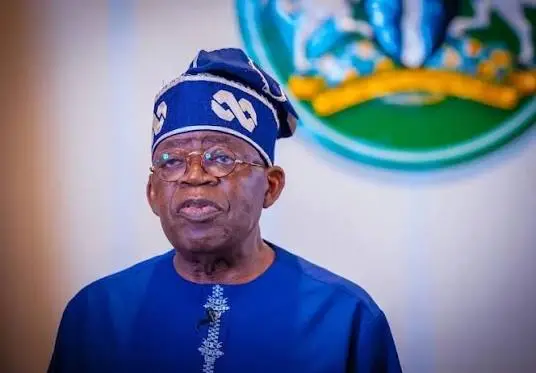
President Bola Ahmed Tinubu has said his administration is targeting a reduction of about 40 per cent in transport fares on participating routes under a national mass transit programme that will draw on a new supply of compressed natural gas (CNG) buses from Chinese manufacturer Yutong.
The president welcomed plans by the company to assemble CNG-powered buses at the former Leyland Automotive plant in Ibadan, Oyo State, following his invitation to Yutong to support the expansion of affordable public transport in Nigeria.
Agreement Signed for Initial 300 Buses
The development followed an agreement between Yutong and the Presidential Initiative on Compressed Natural Gas and Electric Vehicles (Pi-CNG & EV), signed in Lagos on Thursday.
The agreement provides for an initial supply of 300 buses, with the first 100 expected to arrive in Lagos by the end of December. Subsequent buses will be assembled by YP Automobiles Bus Assembly at the former Leyland facility.
The project is expected to reduce reliance on imported buses, create jobs for Nigerian engineers and technicians, and support the transfer of manufacturing expertise.
Yutong, the world’s largest bus manufacturer, sold 49,518 buses globally in 2025. The company produces electric and CNG-powered buses and has supported local assembly and public transport projects in several countries.
Support for National Affordable CNG Transit Programme
The investment will support the National Affordable CNG Transit Programme (NACTP), which the federal government is implementing with state governments. The fare reduction target forms part of Tinubu’s Renewed Hope Agenda 2.0 for 2027–2031.
The president said the lower running costs of CNG-powered buses must translate into cheaper fares for commuters. According to him, millions of Nigerians rely on commercial transport to get to work, take their children to school, reach markets and move goods between communities.
He noted that transport takes up a significant share of daily earnings for many households. Lower fares, he said, would allow workers, traders and families to keep more of their income for food, education and other essentials.
Refuelling Infrastructure and Expansion Plans
The president said the federal government would work with states and transport operators to bring the service to more routes, adding that the programme’s success would ultimately be measured by how much passengers save.
He added that the rollout would be supported by investments in refuelling infrastructure by Pi-CNG & EV, the Midstream and Downstream Gas Infrastructure Fund and private investors. The expansion includes the deployment of mobile refuelling units and a presidential directive for additional CNG refuelling units nationwide.
Tinubu said wider access to fuel would support the deployment of more commercial buses across the country.
The Grammy-winning Afrobeats superstar thrills his longtime manager and mother at her 59th birthday celebration,bringing in Flavour N'abania alongside...