


The President says cheaper energy must translate into lower transportation costs for Nigerians as states expand CNG and electric transport systems.
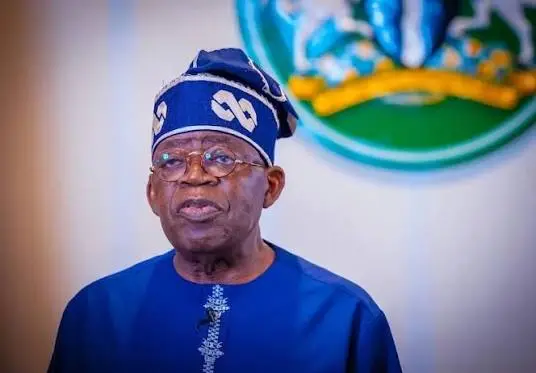
President Bola Ahmed Tinubu has directed state governments and stakeholders to intensify efforts to reduce transportation fares through the National Affordable CNG Transit Programme from October 1, 2026.
Tinubu issued the directive in a statement on Saturday, September 19, urging states to work with transport unions, commercial operators and other stakeholders to ensure commuters benefit from cheaper alternative energy.
States Prepare for October 1 Target
The President said the initiative followed his August 27 meeting with governors of the 36 states, where they agreed to pursue measurable reductions in transportation costs.
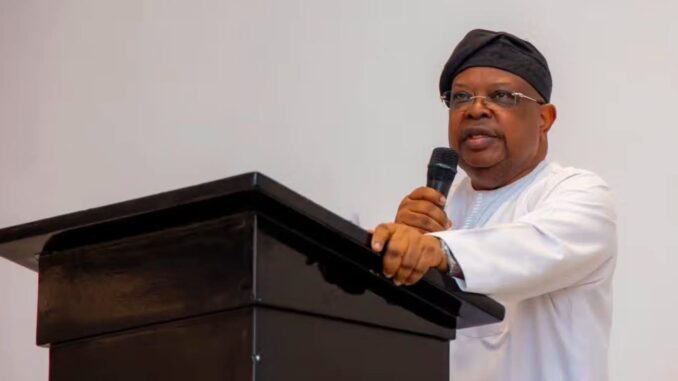
An implementation committee established under the Nigeria Governors’ Forum is chaired by Kwara State Governor AbdulRahman AbdulRazaq.
The committee is working with the Presidential Initiative on CNG and Electric Vehicles, state governments and other stakeholders to identify priority transport routes and determine interventions.
Tinubu urged states to support vehicle conversions, fleet deployment and the development of infrastructure needed to expand alternative-energy transportation.
States Already Recording Fare Reductions
Tinubu cited several states where CNG and electric transport initiatives have reportedly reduced commuting costs.
In Borno State, he said CNG-powered and electric public transport services charge between ₦50 and ₦100 on routes where commercial operators charge between ₦300 and ₦600.
He also said Kaduna State’s 100 CNG buses carried approximately 3.2 million passengers during their first year and generated estimated savings of more than ₦3.5 billion.
In Oyo State, CNG buses deployed to Pacesetter Transport reportedly reduced the Lagos–Ibadan fare from about ₦8,000 to ₦3,200 during the initial deployment.
Tinubu further cited fare reductions in Adamawa, Enugu, Plateau, Niger and the Federal Capital Territory.
According to him, the Area 1–Gwagwalada fare dropped from ₦1,500 to ₦900, while the Nyanya route reduced from ₦700 to ₦420. The Wuse fare reportedly fell from ₦400 to ₦240.
Over 120,000 Vehicles Converted
Tinubu said more than 120,000 vehicles had been converted to CNG over the past three years.
He added that Nigeria now has over 400 certified conversion centres and more than 90 CNG refuelling stations.
The President said the Federal Government would continue supporting CNG infrastructure, vehicle conversion capacity and private-sector participation.
He argued that expanding alternative energy sources would help Nigeria reduce its exposure to international petrol and diesel price fluctuations.
Tinubu Rejects Return to Petrol Subsidy
The President said the government would not return to the former petrol subsidy system, which he described as financially burdensome and vulnerable to global oil-price movements.
He instead urged states to accelerate the development of cheaper transportation alternatives.
“Above all, ensure that savings from cheaper energy reach Nigerian citizens through lower fares,” Tinubu said.
He added that the programme’s success would ultimately depend on whether commuters experience reductions in the fares they pay daily.