Maryam is an online news writer at Afri-Global News and a Computer Science graduate with a background in administration, customer service and HR support. She enjoys working with people and explaining ideas in a clear, relatable way. Her writing aims to connect with everyday readers and make the stories that matter easy to follow.
Energy costs take center stage as American voters head to polling booths, with slight decreases in fuel prices providing minor relief to strained household budgets.
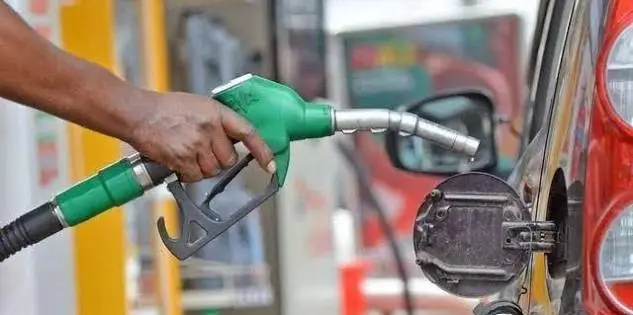
Average petrol prices across the United States have experienced a slight downward adjustment in the final stretch before the midterm elections.
The minor price dip arrives after months of volatile fuel costs that heavily burdened household budgets and strained consumer spending nationwide.
Economic analysts note that transport fuel prices remain a primary economic indicator influencing voter sentiment during federal election cycles.
Throughout the election campaign, escalating living expenses and high energy bills emerged as central issues across key battleground congressional districts.
Working families and daily commuters have repeatedly voiced deep frustration over persistent inflation impacting groceries, housing, and vehicle fuel expenses.
While national petroleum averages show a slight downward trend, prices remain significantly higher compared to previous years.
Energy market specialists explain that recent shifts reflect a combination of seasonal demand softening and minor fluctuations in global crude markets.
Despite the marginal relief at local service stations, many consumers feel that the price adjustments arrived too late to impact their financial outlook.
Political strategists indicate that cost-of-living pressures heavily influence how citizens evaluate incumbent leadership and legislative performance at the ballot box.
Across suburban and rural communities alike, filling up fuel tanks remains a constant reminder of broader economic challenges facing households.
Both major political parties have aggressively campaigned on economic policies, promising tax relief, energy independence, and targeted cost-reduction measures.
Independent economists point out that domestic fuel pricing is heavily tied to international supply chains, geopolitical developments, and refining capacity constraints.
As millions of Americans cast their votes, election observers are closely monitoring how economic anxieties translate into final legislative outcomes.
Local polling stations reported steady turnout as voters prioritize inflation management and household affordability above other partisan policy debates.
Retail fuel operators suggest that prices could see further stabilization heading into the winter months depending on global crude market stability.
However, consumer advocates emphasize that everyday citizens require sustained price relief rather than temporary fluctuations at neighborhood gas pumps.
The outcome of the midterm elections will likely determine the legislative direction governing national energy production, taxation, and economic support.
Candidates across competitive races have dedicated their closing campaign messages entirely to addressing the persistent affordability crisis facing working Americans.
The role of everyday pocketbook issues underscores how tangible economic realities shape modern political engagement and democratic participation.
As election results begin to emerge, national attention remains fixed on how economic policy will respond to ongoing cost pressures.