FG Announces 30-Day NNPC Petrol Discount, Targets ₦1,350 Cost Ceiling
The government says NNPC Retail will forgo its petrol profit margin, while proposed measures include cheaper transport, cash transfers and a strategic fuel reserve.
Taiwo is a Certified SEO Specialist and digital marketing expert with four years of experience in SEO strategy, keyword research, content optimization, and website analytics. Through data-driven SEO techniques, he has successfully increased organic traffic, improved search rankings, and enhanced brand visibility in many reputable news agencies.
The Federal Government has announced a 30-day petrol discount through Nigerian National Petroleum Company Limited (NNPCL) retail stations as Nigerians face rising fuel and transportation costs.
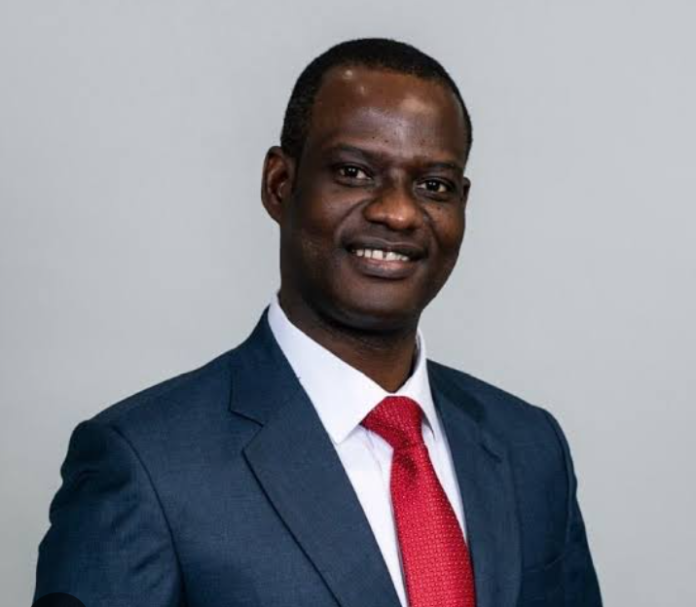
Finance Minister and Coordinating Minister of the Economy, Taiwo Oyedele, announced the measure at a press briefing in Abuja on Thursday.
Under the arrangement, NNPC Retail will forgo its petrol retail profit margin and sell fuel at cost during the initial 30-day period.
The government said public transport operators would receive priority under the intervention.
The announcement forms part of a broader package intended to cushion households and businesses against rising energy costs and volatility in international oil markets.
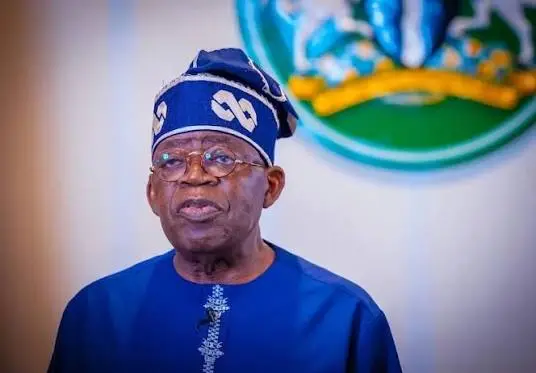
The Presidency said President Bola Tinubu had backed the initiative, which it described as a temporary commercial intervention rather than a return to the petrol subsidy regime removed in May 2023.
How The 30-Day Discount Will Work
The arrangement means the price charged at NNPC Retail stations will reflect the company’s petrol acquisition cost rather than include its usual retail profit margin.
Oyedele illustrated the arrangement with an example: if NNPC’s landing cost is ₦1,300 per litre, the company would sell at that price.
However, the government has not announced a single nationwide pump price under the scheme.
The actual price will depend on the applicable cost at the point of sale. The announcement also did not specify the precise discount motorists will receive at individual stations.
Public transport operators are expected to receive priority, although the government has not fully detailed how eligibility and implementation will work.
The immediate relief is therefore tied to NNPC’s retail network and the 30-day window, rather than a permanent reduction across every filling station.
FG Negotiates ₦1,350 Petrol Supply-Cost Ceiling
Beyond the temporary discount, the government is negotiating a ceiling of ₦1,350 per litre on petrol’s ex-gantry or landing cost.
Oyedele said the proposed mechanism would help moderate sharp price movements caused by changes in international crude prices and exchange rates.
Under the proposal, refiners and importers would initially absorb costs exceeding the ceiling and recover the difference when market conditions improve.
The ceiling would be reviewed monthly, with the figures published to promote transparency.
The minister said the arrangement was designed to smooth price movements rather than impose a permanent price freeze.
Importantly, the proposed ₦1,350 ceiling applies to supply costs, not necessarily the final price motorists pay at filling stations.
Government Rejects Return To Blanket Subsidy
The government maintained that restoring the former subsidy system could place renewed pressure on public finances and foreign exchange markets.
Oyedele argued that subsidy transfers the cost of fuel from consumers to government accounts rather than eliminating the underlying cost.
He warned that a return to blanket subsidy could encourage smuggling, create fiscal pressures and weaken the naira.
The minister projected that the exchange rate could approach ₦3,000 per dollar within months if subsidy returned, while petrol could rise above ₦2,000 per litre under the scenario he described.
Those figures are government projections, not current official prices or guaranteed future outcomes.
Oyedele said the government’s priority was to protect households from immediate price shocks without reversing the broader economic reforms.
Idris Says Reform Must Deliver Household Relief
Minister of Information and National Orientation Mohammed Idris said the administration was moving from economic reform towards delivering more tangible benefits to Nigerians.
He argued that the reforms were intended to address structural weaknesses, strengthen public finances and redirect resources towards development priorities.
Idris said the next phase should focus on ensuring that economic improvements translate into lower living costs and better opportunities for households and businesses.
His remarks reflect the government’s stated position that reform should be measured not only through economic indicators but also through its effects on everyday life.
Other Measures To Reduce Transport And Living Costs
The government outlined several additional interventions alongside the petrol discount.
They include increased funding for cash transfers to vulnerable households and subsidised credit for small businesses and consumers.
The administration also plans to accelerate the deployment of compressed natural gas vehicles.
Oyedele said CNG could cost 60 to 70 per cent less than petrol, depending on the circumstances. Transport operators benefiting from the programme would be expected to pass savings on to passengers through lower fares.
The government also plans to work with state authorities and security agencies to address road taxes and levies that increase transportation and distribution costs.
Other measures include reducing regulatory expenses, improving traffic flow in major cities and using NIPOST address codes to improve logistics efficiency.
The government is also considering enhanced tax relief for low-income earners under the proposed 2027 Finance Bill.
Crude Supply And Strategic Fuel Reserve
Oyedele announced plans for forward sales of crude oil to domestic refineries.
The government expects increased production and the release of previously committed crude supplies to help shield local fuel prices from international market volatility.
It is also planning a National Strategic Fuel Reserve.
Under the proposed framework, refined products could be released under published rules when global disruptions, supply shortages or hoarding threaten market stability.
The government said the reserve would strengthen supply security without imposing fixed prices across the market.
An excess-profit tax on operators found to be taking undue advantage of consumers is also under consideration. The government said proceeds from such measures would support transport assistance or vouchers for vulnerable urban workers.
What Nigerians Should Watch
The announcement provides a temporary intervention, but several details will determine its practical impact.
These include the discount available at individual NNPC stations, how public transport operators will receive priority and whether lower fuel costs translate into reduced fares.
The government must also clarify how the proposed ₦1,350 supply-cost ceiling will operate when market costs rise above the threshold.
The temporary discount is separate from the longer-term proposals involving crude supply, CNG deployment, targeted financial assistance and the strategic fuel reserve.
For motorists, the immediate question is how much they will save at the pump during the 30-day period.
For commuters, the measure’s wider value will depend on whether transport operators pass the savings on to passengers.
The government’s challenge is to provide meaningful relief while maintaining fuel availability and avoiding the fiscal pressures associated with the previous subsidy system.