


Pyongyang’s supreme leader makes a symbolic visit to the Chinese border city of Dandong, inaugurating long-delayed infrastructure and emphasizing bilateral economic and security cooperation.
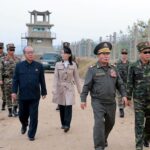
North Korean leader Kim Jong-un has made an official visit to China, crossing the newly opened New Yalu River Bridge into Dandong.
The high-profile cross-border trip marks a significant diplomatic milestone aimed at strengthening economic, political,and strategic cooperation between both neighboring nations.
The supreme leader arrived in the Chinese border hub after traveling across the three-kilometer bridge spanning the river separating Sinuiju and Dandong.
The newly opened bridge infrastructure had remained completed for twelve years before operational border connections were finalized on the North Korean side.
Senior Chinese political advisor Wang Huning welcomed the North Korean delegation upon their arrival in Dandong for official diplomatic and memorial activities.
The visit comes ahead of the seventy-sixth anniversary honoring the entry of Chinese volunteer forces into the historic Korean War conflict.
During his itinerary in Dandong, the North Korean leader toured the Memorial Hall of the War to Resist US Aggression and Aid Korea.
He paid formal tributes to Chinese soldiers who died during the mid-twentieth-century conflict, emphasizing the deep historical blood ties shared between both nations.
State media reported that the delegation also inspected local manufacturing facilities, including a major commercial bus assembly factory within the city limits.
Addressing senior officials, the North Korean leader expressed immense gratitude for China’s continued diplomatic backing and expanding economic partnership initiatives.
He emphasized that Pyongyang remains committed to carrying forward traditional bilateral friendship while building a firm united front across East Asia.
The cross-border journey represents the leader’s first trip to China since attending high-level international diplomatic events in Beijing late last year.
International political analysts observe that opening the strategic road link significantly enhances cross-border freight traffic and bilateral commercial exchanges.
The infrastructure development follows the recent opening of a separate international road bridge linking North Korean territory directly with Russian borders.
Security observers note that expanding physical trade routes allows Pyongyang to consolidate economic resilience alongside its key regional political partners.
Diplomats suggest that the symbolic border crossing highlights growing geopolitical alignment between Beijing and Pyongyang amid deteriorating inter-Korean relations.
The high-level visit occurred as regional security tensions remain heightened along the Demilitarized Zone separating North and South Korea.
Government representatives in Seoul confirmed that they monitored the cross-border delegation movement closely throughout the high-profile diplomatic visit.
As cross-border traffic begins utilizing the new infrastructure, both capitals anticipate accelerated regional development and expanded economic collaboration across shared borders.