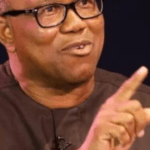



The legendary filmmaker reflects on the harsh financial realities of cinema distribution after his historical epic Eleko Oba Esugbayi fails to recoup production capital.
Veteran Nollywood actor and filmmaker Prince Jide Kosoko has opened up about a severe personal debt burden.
Speaking during a recent media interview, the legendary screen star revealed that he is currently managing substantial financial debts.
The troubling financial crisis stems from the commercial underperformance of his ambitious cinema project, Eleko Oba Esugbayi.
The high-budget historical epic cost over three hundred million naira to produce and distribute across national cinema chains.
The celebrated filmmaker explained that the massive production budget was funded through private financial backers and equity investors.
He emphasized that the funds were provided as commercial investments rather than unconditional financial gifts or non-repayable grants.
According to him, external investors placed confidence in the cultural project expecting reasonable financial returns following its theatrical release.
However, despite extensive promotional campaigns and nationwide theatrical distribution, the feature film failed to recoup its initial capital.
The production encountered multiple operational hurdles and theatrical distribution challenges that severely impacted overall box office performance figures.
Industry tracking reports indicated that the historical epic generated minimal box office receipts during its national cinema run.
The limited box office revenue generated from theatrical ticket sales was subsequently split among various distribution stakeholders.
Under standard cinema exhibition contracts, theatrical earnings are divided between movie theater owners, film distributors, and producers.
After fulfilling contractual box office split obligations, the remaining funds proved completely insufficient to repay the primary project investors.
The veteran entertainer humorously remarked that anyone looking for an individual carrying significant debt should look directly at him.
His candid public disclosure highlights the mounting financial risks associated with producing large-scale, high-budget cinema releases in Nigeria.
Prominent industry figures recently echoed similar concerns, warning that theatrical releases rarely guarantee full capital recovery for filmmakers.
Entertainment analysts observe that high production costs, inflation, and shifting audience preferences create complex financial hurdles for producers.
Despite the severe financial setback, fans and creative industry colleagues have expressed immense sympathy and solidarity with the veteran star.
Many film critics praised the historical ambition of the project, acknowledging its cultural significance in documenting Lagos heritage.
The long-serving actor remains an influential cornerstone of West African cinema, inspiring generations through his extensive creative legacy.