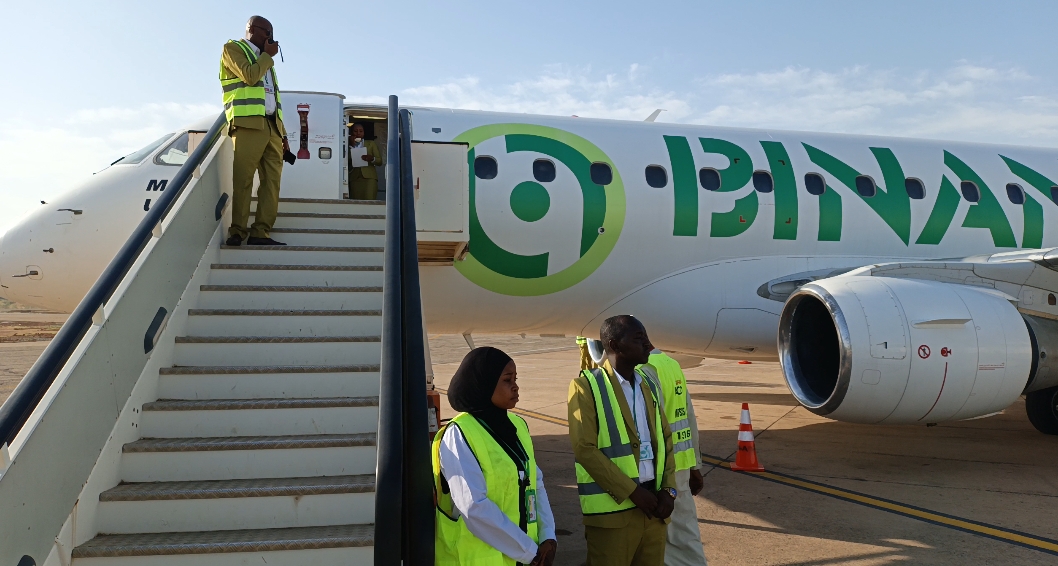



There is a strange thing about the Nigerian aviation industry. An airline can be everywhere today then gradually, you stop seeing it.
No goodbye, no “Thank you for flying with us.” It simply goes quiet and Nigeria has quite a history of airlines that went quiet.
BusinessDay reported recently that about 150 domestic airlines have been registered since the NCAA was established in 2000, but only 14 remain active today. That puts the survival rate at roughly 7%, a number that deserves more than a passing glance.
Think of Nigerian Airways. For an entire generation, it was not just an airline, it was a symbol of national pride connecting Nigerians to the world before eventually being liquidated in 2003.
Then came Okada Air, a name Nigerians have not forgotten. At one point, it had 53 aircraft on its register. Its brand name became so popular that Okada eventually became synonymous with commercial motorcycles. That is one heck of a brand legacy.
Chanchangi Airlines was remembered for making domestic air travel more accessible, while Bellview became one of the prominent Nigerian carriers of its era, operating both domestic and international routes before suspending operations in 2009.
And who could forget Virgin Nigeria, which arrived with modern aircrafts, and the promise of a different kind of Nigerian airline. For a while, it looked like the industry found its groove. Then came financial difficulties and disagreement, and the airline eventually disappeared.
There were also ADC, Sosoliso, Kabo, Albarka, First-Nation, Oriental, Pan Africa, and several others. Different stories, owners and eras. But the endings often sounded familiar: high operating costs, maintenance expenses, financial pressures, management challenges, regulatory issues, and an operating environment that has historically been unforgiving to airlines. Business Day has also documented more than 30 airlines that closed shop in roughly three decades.
Perhaps that is the bigger conversation.
An airline is not just an aircraft with a logo on its tail. It is a business that has to survive the realities of fuel, maintenance, foreign exchange, insurance, people, infrastructure, compliance, and of course customer expectations.
But there is another side of this story.
These airlines left something behind. Some left routes, others left service standards, eft loyal passengers, painful lessons and brands that Nigerians still mention decades after their last flight.
The question, therefore, is not only why did these airlines fail? It is also, what did the airlines that came after them learn and are we actually applying these lessons?
Because in aviation, surviving the launch is an achievement but surviving the years after the launch is the real test.
Which Nigerian airline do you remember most, and what do you think made it stand out before it went quiet?